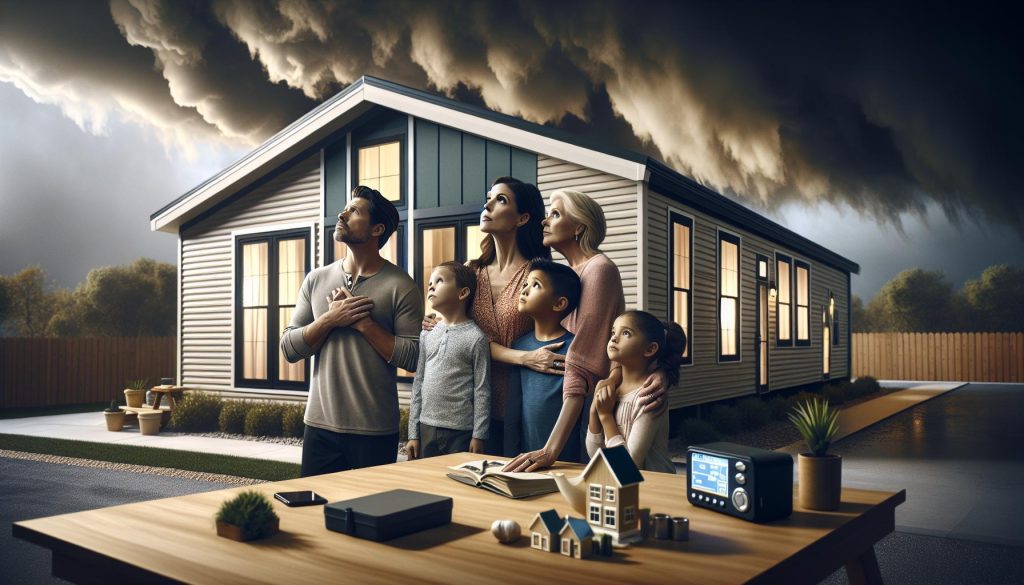
When considering the safety of a modular home during a tornado, many potential homeowners find themselves grappling with concerns about durability and protection. Did you know that modular homes are constructed to meet specific building codes designed for severe weather? This means that, despite common misconceptions, these homes can be engineered to withstand high winds when properly anchored and secured. Understanding how modular homes perform in extreme weather conditions is vital for not only safeguarding your investment but also ensuring the safety and well-being of your family. This article delves into the facts surrounding storm survival for modular homes, offering insights that will help you make informed decisions about your living space in the face of unpredictable weather. Join us as we explore the essential measures you can take to enhance the resilience of your home against tornado threats, providing peace of mind for current residents and prospective buyers alike.
Understanding Tornado Risks for Modular Homes
Understanding the vulnerabilities of modular homes in tornado-prone areas is crucial for both current residents and prospective buyers. Unlike traditional homes that are often anchored to a permanent foundation, modular homes can present unique challenges during severe weather events. The lightweight construction and mobility options of modular homes can make them susceptible to damage from high winds, making it essential for owners to be aware of the risks and take proactive measures.
Preventing damage from tornadoes involves understanding the construction methods and materials used in modular home assembly. Traditional modular homes, if not properly secured, can become airborne during tornado conditions. These homes must adhere to local building codes, which may vary significantly from one region to another. Aspiring homeowners should inquire about the wind resistance ratings of the modular homes they are considering, as well as the manufacturer’s recommendations for securing the home to its foundation.
In addition to understanding construction methods, it is important for homeowners to remain informed about the nature of tornado risks in their area. Tornado safety plans should address not only the type of home but also the surrounding environment, as nearby trees and structures can pose additional hazards. Being proactive – such as having a designated emergency shelter area and an emergency kit readily available – can significantly enhance safety measures. These considerations ensure that modular homeowners are better prepared to face the unpredictable nature of tornadoes.
Are Modular Homes Constructed for Storm Safety?
In regions prone to severe weather, the safety of any home during a tornado becomes a pressing concern. Modular homes, constructed off-site and delivered to their locations, can offer an appealing housing solution, but their design and assembly require careful consideration regarding storm safety. Many prospective homeowners question the resilience of modular homes against the violent winds and debris of tornadoes. Fortunately, advancements in engineering and building standards have led to the development of modular homes that can withstand significant wind forces, provided they are installed correctly and adhere to local building codes.
To enhance storm safety, many manufacturers focus on several critical factors when constructing modular homes. First, design integrity plays a central role; homes are designed to meet or exceed specific wind resistance ratings, which are determined by the geographic location’s risk profile. For instance, homes sited in tornado-prone areas should be built with reinforced structural frameworks and added bracing systems. Additionally, the use of higher-grade materials, such as impact-resistant windows and durable roofing systems, contributes to a home’s ability to withstand severe weather.
Another vital aspect to consider is the method of installation. Proper anchoring is crucial for securing modular homes to their foundations. Utilizing trained professionals to conduct installation ensures that appropriate tie-downs and support systems are implemented, considerably reducing the risk of a home being displaced by high winds. Homeowners are encouraged to regularly check and maintain these anchoring systems, particularly before storm season, to ensure that their homes remain securely fastened.
Ultimately, while modular homes can be constructed to ideal storm safety standards, it is essential that owners actively engage with the construction process and local building regulations. By doing so, they not only enhance their homes’ resilience to tornadoes but also cultivate peace of mind, allowing them to enjoy the benefits of modular living while remaining agile to nature’s unpredictable whims.
Essential Features for Tornado-Proofing Modular Homes
Modular homes, while often viewed as a practical and economical housing solution, can be designed with enhanced features that bolster their resilience against tornadoes. Understanding these essential characteristics can significantly impact their performance during severe weather events.
First and foremost, structural integrity is a critical feature that defines the tornado readiness of a modular home. Manufacturers often employ advanced engineering techniques to ensure that the frame is robust enough to withstand high winds. The use of reinforced steel beams as the main structural supports and steel straps to connect sections can dramatically improve stability during extreme weather. Homes designed with aerodynamic shapes may also reduce wind resistance, enhancing safety.
Another vital aspect involves the anchoring system. This component is fundamental, as proper anchoring can significantly reduce the likelihood of a modular home being uprooted. When installed, homes should utilize heavy-duty tie-downs and anchors that penetrate deep into the ground, forming a secure connection to the foundation. Homeowners should consider investing in ground anchors that exceed the minimum local code requirements to provide additional protection against strong winds.
Moreover, the integration of impact-resistant materials further enhances the safety of modular homes. Utilizing double-pane windows with laminated glass can minimize the risk of breakage from flying debris. Additionally, roofs constructed with impact-resistant shingles not only offer protection but may also lower insurance premiums in some areas. Upgrading siding to weather-resistant types can also help in maintaining structural integrity during a tornado scare.
To cap it off, it’s essential that homeowners take a proactive stance in conducting regular inspections and maintenance. Routine checks of the anchoring system, structural seams, and protective materials are vital in ensuring that the home is ready when severe weather strikes. By understanding and implementing these essential features, modular home owners can enjoy peace of mind knowing they have laid a solid foundation for storm safety.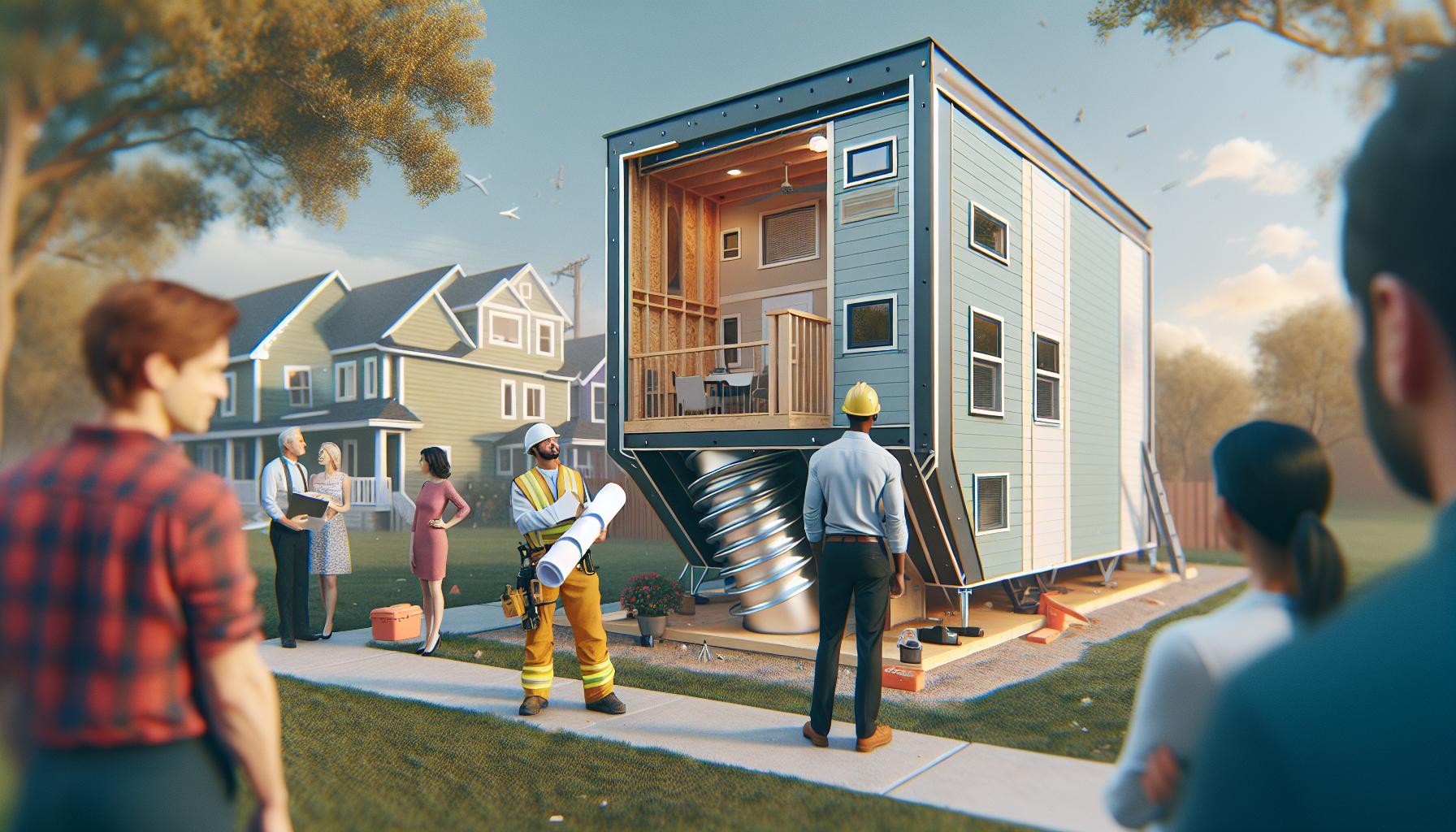
Comparing Modular Homes to Traditional Homes in Storms
When it comes to storm resilience, the design and construction of homes make a significant difference, particularly in tornado-prone regions. Modular homes, specifically engineered to meet stringent building codes, often showcase unique advantages that set them apart from traditional stick-built homes during severe weather events. While both types of homes can face challenges in storms, modular homes frequently utilize advanced engineering to enhance their structural integrity and stability.
One of the foremost distinctions lies in the construction process. Modular homes are built in controlled factory environments, where each component is crafted with precision. This often results in high-quality engineering and adherence to rigorous safety standards, which can be pivotal in storm scenarios. Traditional homes, on the other hand, are typically constructed on-site, where factors such as weather, labor skill levels, and materials can introduce inconsistencies. As a result, modular homes may have tighter seals and improved fastening techniques that help them resist extreme winds.
Moreover, modular homes often incorporate specific features designed for enhanced durability against tornadoes. For instance, the use of reinforced framing techniques and robust anchoring systems can significantly mitigate the risks of uplift or moving during high winds. This contrasts with many traditional homes, which may not utilize such stringent practices unless specifically designed for storm resistance. The inherent design of modular homes often helps in creating a lower profile, minimizing wind resistance, and reducing the likelihood of damage during storms.
Lastly, understanding local zoning regulations and building codes can influence the overall safety of both types of homes. In regions vulnerable to tornadoes, modular homes might be required to meet additional safety standards that are not always as stringent for traditional homes. Homeowners considering either option should weigh these factors carefully. Implementing additional storm-proofing measures-such as investing in impact-resistant materials or ensuring proper anchorage-can further bolster the resilience of either home type, allowing residents to feel more secure against the threat of severe weather.
Best Practices for Securing Modular Homes in Tornadoes
To ensure the safety of modular homes during tornadoes, it is crucial to adopt best practices for securing these structures. Proper preparation and installation can greatly enhance resilience against severe weather conditions. Homeowners should always start with a robust foundation and anchoring system. A strong foundation helps to prevent movement during high winds. Use tie-down straps or anchors specifically designed for mobile and modular homes. These devices help to secure the home to its foundation, reducing the risk of uplift-a common threat during tornadoes.
Regular maintenance and inspections are vital in maintaining the home’s integrity. Homeowners should periodically check the anchoring systems to ensure they remain tight and functional. Ensure that the connections between the floor and wall frames are secure, as these areas can be weak points during strong winds. Reinforcing these connections with additional brackets or hardware can further improve structural stability.
In addition to structural measures, the surrounding landscape can also play a role in protecting a modular home. Trimming nearby trees and removing dead branches can reduce the risk of falling debris. Clearing away any loose outdoor items or securing them indoors can prevent these objects from becoming projectiles.
Finally, creating a comprehensive emergency plan is essential. Designate a safe area within or outside the home where occupants can take refuge during a tornado warning. Ensure that everyone in the household knows the plan and conducts regular drills to reinforce safety measures. This preparation combined with a well-maintained home can significantly enhance safety during severe weather conditions.
Insurance Considerations for Tornado Damage Coverage
When it comes to safeguarding your modular home from tornado damage, understanding insurance considerations is just as crucial as storm preparedness. Many homeowners underestimate the importance of robust insurance coverage, especially when living in tornado-prone areas. In fact, having the right insurance can mean the difference between a quick recovery and prolonged financial hardship following a disaster. With tornadoes shifting eastward, as noted by experts, more homeowners find themselves facing increased risk and the need to reevaluate their insurance policies.
To start, it’s vital to ensure that your homeowner’s insurance policy specifically covers tornado damage. Not all policies are created equal; some may exclude damage caused by high winds or severe weather. Therefore, check the details of your coverage, and consider endorsements or riders that can be added for comprehensive protection. If your policy does not explicitly cover tornadoes, now is the time to discuss options with your insurance agent. They can help you navigate available coverage tailored for modular homes, which may have particular considerations compared to traditional homes.
Key Coverage Details to Consider
- Replacement Costs: Ensure your policy covers the full replacement cost of your modular home. If your home is severely damaged or destroyed, you want to be able to rebuild without incurring additional out-of-pocket expenses.
- Contents Coverage: Besides the structure itself, consider how much coverage you have for personal belongings. Tornadoes can easily destroy both the home and its contents, so adequate coverage is essential.
- Additional Living Expenses (ALE): This coverage will assist you with costs incurred from living elsewhere while your home is being repaired. It’s an important aspect of recovery that could alleviate stress during an already challenging time.
- Utility and Landscape Protection: Some policies offer coverage for damages to exterior features such as decks, fences, and landscaping. This can help restore your property to its original state after a storm.
Furthermore, maintaining accurate documentation of your home’s condition and inventory of belongings can significantly aid in filing claims efficiently. Take photographs of both your home and personal items, and keep receipts of any major purchases. This proactive approach facilitates smoother interactions with insurance adjusters and helps ensure that you receive fair compensation.
In summary, making informed decisions regarding your insurance coverage is a critical component of preparing your modular home for tornado hazards. By securing comprehensive coverage tailored to your needs, you can safeguard your investment and ease the financial burden that often accompanies unexpected natural disasters. Engaging with an experienced insurance professional can provide additional insights into the most suitable options for your unique living situation, ultimately leading you toward a more resilient future.
Preparing Your Modular Home for Severe Weather
Being prepared for severe weather is vital for residents of modular homes, particularly in tornado-prone areas where the risks are significant. Taking proactive measures can enhance the structural integrity of your home and ensure the safety of its occupants. One essential step in preparing your modular home is to ensure that it is properly anchored according to local building codes. Strong anchoring systems are crucial, as they prevent the home from being displaced by high winds. Consider consulting with professional installers to assess and reinforce the anchoring to withstand severe weather conditions.
In addition to anchoring, evaluating the design and materials used in your modular home can also contribute to increased safety during a tornado. Choosing a model that incorporates storm-resistant features, such as a pitched roof and impact-resistant windows, can help mitigate damage during extreme weather. Homeowners should also look into retrofitting options to strengthen the walls and roof of their modular home. Collaborating with local contractors who understand the unique challenges of modular construction can provide valuable insights into enhancing your home’s resilience.
Another critical aspect of preparation involves creating an emergency plan that includes a safe room or designated area within your home. This space should be small, windowless, and located on the lowest floor, ideally without exterior walls. Equip this area with essentials like water, non-perishable food, a flashlight, and a battery-operated weather radio to stay informed during storms. Keeping a checklist of the emergency supplies and ensuring everyone in the household knows where the safe room is located can significantly streamline your response during severe weather events.
Finally, stay informed about local weather patterns and alerts. Setting up weather apps or subscribing to local news notifications can keep you updated on imminent storms or tornado watches. Engaging with your community and participating in local preparedness programs can also foster a network of resources for assistance during emergencies. By taking these steps to prepare your modular home for severe weather, you establish a foundation of safety and resilience that can help protect your family and property in the event of a tornado.
What Materials Enhance Safety in Modular Homes?
The selection of materials used in modular homes can significantly influence their safety during severe weather events like tornadoes. By focusing on storm-resistant components, homeowners can increase the durability and resilience of their properties against high winds and flying debris.
Utilizing impact-resistant windows can be a transformative choice, as these windows are specifically designed to withstand the force of debris in a tornado. Additionally, opting for hurricane-grade roofing materials can provide extra assurance, as they are engineered to resist high winds and prevent leaks during harsh conditions. Materials such as steel framing or reinforced concrete for wall structures can greatly enhance a modular home’s resistance against extreme weather. The structural integrity of these homes is paramount, so incorporating materials that boast both strength and flexibility is key.
When retrofit opportunities arise, consider enhancing vulnerable areas such as roof-to-wall connections. Metal brackets or straps can be used here to better anchor walls to the roof frame, significantly increasing strength where it matters most. Furthermore, including fiber-cement siding not only improves aesthetic appeal but also offers superior performance during storms, as it won’t buckle or warp like traditional wood siding when exposed to moisture.
Lastly, engaging with local contractors who understand the unique needs of modular homes ensures that the right material choices are made based on regional weather patterns and building codes. This collaborative approach can also help in acquiring materials that are both functional and suited to your aesthetic preferences, thereby establishing a safe haven that stands resiliently against tornado threats. Remember, investing in the right materials is not just about compliance-it’s about protecting your home and loved ones.
Emergency Preparedness: Creating a Storm Survival Plan
Creating a comprehensive storm survival plan is essential for anyone living in a modular home, especially in tornado-prone areas. With the right plan in place, you can significantly enhance your preparedness and reduce the risk of harm during severe weather events. Start by identifying safe zones within your home and familiarize yourself with the best practices for sheltering during a tornado. Ideally, these safe areas should be situated away from windows, such as interior hallways, bathrooms, or a designated storm shelter if available.
To further boost your readiness, create an emergency kit that includes all the necessities for at least 72 hours. This kit should have items such as non-perishable food, water, medications, a flashlight, batteries, a first-aid kit, and a battery-powered radio to stay updated on weather conditions. Be sure to include necessary items for your family members, including pets. Place all these essential supplies in a designated spot that is easily accessible when severe weather strikes.
Regularly review and practice your emergency plan with family members. Conduct drills to ensure everyone knows where to go and what to do when a tornado warning is issued. You can incorporate real-life scenarios to make these drills take on a practical aspect, allowing everyone to engage and remember during an actual emergency. Furthermore, securing essential contact information, including local emergency services and family members, can greatly assist in emergency situations.
It’s also beneficial to stay informed about local weather apps or alerts available from the National Weather Service. Subscribing to local alerts and monitoring severe weather forecasts will enable you to act promptly when storms are imminent. Remember, the goal is to create a scenario where everyone feels confident and aware, turning a potentially frightening experience into a manageable action plan. By prioritizing safety and preparedness, you provide peace of mind not only for yourself but also for your loved ones in your modular home.
Real-Life Experiences: Modular Homes in Tornadoes
It’s not uncommon for modular homeowners to wonder about the safety of their homes during tornadoes, especially given the severe weather conditions that can impact various regions. Real-life experiences from those who have faced tornadoes while living in modular homes provide valuable insights into preparedness and resilience.
Many homeowners have reported that their preparedness significantly affected their outcomes during tornado events. For example, one family in Kansas had reinforced their modular home with additional anchoring systems and installed impact-resistant windows. When a tornado swept through their neighborhood, they were able to safely shelter in a designated safe room within their modular home and sustained minimal damage. Conversely, another family that had not prioritized tornado preparedness suffered extensive damage to their unanchored modular home, illustrating the critical importance of proper setup and stormproof features.
Modular homes can be constructed with specific features aimed at enhancing storm safety. For instance, some manufacturers offer homes designed with reinforced exteriors and structurally enhanced roofs to withstand high winds. Additionally, experienced owners often recommend investing in high-quality ties and anchors that meet local building codes, as this can provide greater stability and security in severe weather conditions.
Community engagement also plays a vital role in storm survival. Neighborhoods often have established support systems and communication channels that can help residents share experiences and resources. For example, organized community drills focusing on tornado preparedness can help familiarize residents with safe zones and effective response plans. Homeowners frequently emphasize the significance of knowing their neighbors and participating in local safety initiatives to create a stronger collective resilience against tornado threats.
Overall, the stories of modular homeowners in tornado-prone areas underline the effectiveness of preparedness, the importance of constructing homes with storm safety in mind, and the value of community collaboration. By learning from these experiences, current and prospective modular homeowners can take proactive steps to enhance their own safety and readiness for severe weather events.
After the Storm: Assessing Damage and Recovery Steps
After a tornado, the aftermath can be daunting, leaving homeowners to sift through the debris of their lives. For modular homeowners, assessing damage and beginning the recovery process requires a methodical approach to ensure safety and restoration. It’s crucial to remember that modular homes, despite their vulnerabilities, can often be repaired and made safer in the long term with the right strategies.
Start by conducting a thorough inspection of the home to identify visible and concealed damage. This should include checking for structural integrity, looking for cracks in walls, and assessing the condition of the roof. It’s essential to engage a professional when assessing potential foundational damage, as this can be hidden from view but critical for the home’s overall stability. Document all findings with photographs and detailed notes, which will be valuable for both insurance claims and any future renovations.
Next, prioritize safety. If there are downed power lines, stay clear until authorities have deemed the area safe. Make arrangements for temporary shelter if your home is unliveable. Once the area is secured, contact your insurance provider to file a claim. Providing them with your documented evidence will smooth the process, allowing you to start the recovery financially.
Recovery Steps
- Evaluate Immediate Needs: Identify any immediate structural or utility needs such as plumbing, electrical, or HVAC issues that require urgent attention.
- Contact Professionals: For significant damages, hire qualified contractors familiar with modular home repairs, as they will understand the specific requirements and materials needed.
- Consider Mitigation: During repairs, consider implementing storm-resistant features such as reinforced framing, safer anchoring systems, and impact-resistant materials.
- Engage with Local Support Services: Community resources can offer additional assistance, such as temporary housing or financial aid for repairs.
Recovery from a tornado is not just about repairs-it’s also about resilience. Many modular homeowners have found the process to be an opportunity to strengthen their homes against future weather events. This might include participating in local community programs focused on disaster preparedness and stormproofing techniques. With proactive planning and a supportive community, modular homeowners can emerge from the storm with a home that not only looks better but is also safer and more secure.
Resources and Support for Tornado-Affected Homeowners
For many homeowners, the aftermath of a tornado can feel overwhelming, and having access to the right resources can make all the difference. Numerous organizations and agencies specialize in providing assistance to those affected by severe weather events, particularly modular homeowners. Understanding these resources ensures that you’re not only prepared before the storm hits but also know where to turn afterward.
One valuable resource is the Federal Emergency Management Agency (FEMA), which offers disaster assistance programs that cover various needs, from temporary housing to home repairs. Homeowners can apply for assistance online, and FEMA representatives can guide you through the process. Additionally, state and local emergency management offices often have tailored support programs for residents in tornado-prone areas. Engaging with these agencies can help provide immediate financial relief and long-term recovery options.
Community organizations like the Red Cross also play a pivotal role in recovery efforts. They provide shelter, food, and medical assistance in urgent situations. Many local charities focus on rebuilding efforts and may offer volunteer help for cleanup as well as financial aid for essential repairs. Reaching out to local churches or nonprofits can connect you with community members willing to lend a hand during this critical time.
Furthermore, consider the importance of joining local or online support groups for modular homeowners who have experienced similar events. These forums not only provide emotional support but also practical advice and shared experiences that can guide your recovery. Learning from others who have navigated the same challenges can offer invaluable insights into effective repair techniques, insurance claims processes, or even networking with reliable contractors who specialize in modular home repairs.
Finally, take the time to review your homeowner’s insurance policy. Many policies cover tornado-related damage, but understanding the specifics of your coverage can make filing a claim smoother. If you find gaps in your coverage, consult with an insurance agent to explore options tailored for severe weather resilience. This proactive approach to insurance can be critical in ensuring financial stability during recovery.
By leveraging these resources and actively participating in your community, you can transform the daunting task of recovery into an opportunity for building a stronger, safer home.
Frequently asked questions
Q: Are modular homes designed to withstand tornadoes?
A: Yes, modular homes can be designed to withstand tornadoes when built with the appropriate materials and construction techniques. Enhanced reinforcements and proper anchoring help improve their storm resistance. For specifics, refer to the section on “Are Modular Homes Constructed for Storm Safety?”
Q: What features should I look for in a modular home for tornado safety?
A: Look for features such as reinforced walls, impact-resistant windows, and an overall aerodynamic design. These elements can help mitigate damage during tornadoes. More details are available in the “Essential Features for Tornado-Proofing Modular Homes” section.
Q: How do modular homes compare to site-built homes during tornadoes?
A: Modular homes, when properly secured, can perform comparably to site-built homes in tornado conditions. However, site-built homes may offer more customization in design and durability features. For a deeper comparison, see “Comparing Modular Homes to Traditional Homes in Storms.”
Q: What should I do to prepare my modular home for tornado season?
A: Prepare by inspecting your home’s anchoring system, securing loose items outside, and creating an emergency plan. Having a safe room or storm shelter is highly recommended. Refer to the “Preparing Your Modular Home for Severe Weather” section for detailed steps.
Q: Do I need special insurance for tornado damage on a modular home?
A: Yes, you should ensure your insurance policy covers tornado damage specifically. Check with your provider about comprehensive coverage options tailored to modular homes. This topic is discussed further in the “Insurance Considerations for Tornado Damage Coverage” section.
Q: What materials enhance the safety of modular homes during storms?
A: Strong materials like reinforced steel frames, hurricane ties, and impact-resistant siding can significantly enhance safety. Selecting these materials can make a difference in storm resilience. Delve into this in the section on “What Materials Enhance Safety in Modular Homes.”
Q: How can I assess damage to my modular home after a tornado?
A: After a tornado, check for visible structural issues, window cracks, and roof damage. Document all findings for insurance purposes. The section “After the Storm: Assessing Damage and Recovery Steps” offers a comprehensive guide.
Q: What are the best practices for securing modular homes in tornado-prone areas?
A: Best practices include anchoring your home to a solid foundation, installing tie-downs, and keeping the surrounding area clear of debris. Refer to the “Best Practices for Securing Modular Homes in Tornadoes” section for additional recommendations.
The Way Forward
In summary, understanding the safety of modular homes during tornadoes is crucial for protecting your investment and ensuring peace of mind. While these homes can be designed to withstand severe storms, preparedness is key. Now is the time to evaluate your current storm preparedness plan. If you’re interested in exploring additional resources, check out our articles on hurricane tie-down techniques and essential maintenance tips for modular homes.
Don’t hesitate to take proactive steps towards securing your home and lifestyle-subscribe to our newsletter for expert insights and updates, or consider a consultation to discuss your unique needs. Your safety is our priority, and we’re here to support you on your journey to resilient living. Remember, investing in knowledge today can provide significant rewards for tomorrow. Share your thoughts or questions in the comments below; we love to hear from our community!