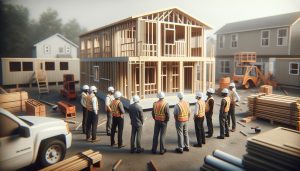
Buying a mobile home with cash is an accessible and appealing option for many prospective homeowners. In a market where financing can become complicated, paying cash simplifies the process and opens the door to greater negotiating power. Whether you’re a seasoned investor or a first-time buyer, understanding how to purchase a mobile home outright can alleviate financial stress and streamline your transition into this unique housing market. As you explore the ins and outs of cash purchases, you’ll uncover valuable insights into valuation, legal considerations, and essential maintenance. Join us on this informative journey to learn how you can confidently navigate the world of mobile home ownership, ensuring that your investment is not only smart but also rewarding.
Can You Afford a Mobile Home with Cash?

Affording a mobile home with cash can be a viable option for many prospective buyers, reflecting both financial prudence and the desire for a more straightforward purchasing process. While the initial outlay might seem significant, it is essential to consider the long-term savings and benefits associated with cash purchases. Paying in full eliminates monthly mortgage payments, interest rates, and financing fees, freeing up budget for upkeep, utilities, and other living expenses.
When evaluating if you can afford a mobile home with cash, start by determining your total available funds and comparing that to the price of mobile homes in your desired area. It’s crucial to factor in additional costs that often accompany home purchases, such as property taxes, insurance, transportation, and potentially site preparation fees. A thorough budget assessment ensures that your decision aligns with your financial capabilities.
Moreover, taking the time to research different models and sizes can significantly influence costs. For instance, while larger homes with multiple bedrooms and amenities might be appealing, they can also come with higher price tags. Opting for a more modest home may allow for necessary renovations or improvements that fit both your lifestyle and your budget. Additionally, considering homes located in less expensive areas can also provide more options within your financial means.
Ultimately, being mindful of the total costs involves not just the purchase price but also ongoing expenses associated with mobile home living. Establishing a clear financial picture can help you make an informed choice, ensuring that buying a mobile home with cash is a financial decision that enhances your lifestyle without creating undue stress.
Understanding the Costs Involved in Buying a Mobile Home
Purchasing a mobile home with cash can be an appealing option, particularly considering the lower overall financial burden it can impose compared to conventional financing. However, understanding the various costs involved is crucial for anyone contemplating this significant investment. Beyond the purchase price, prospective buyers should be aware of several additional expenses that can influence total ownership costs.
First, consider the upfront purchase costs. This includes not only the price tag of the mobile home itself but also transportation fees if you’re relocating the home, and site preparation costs, which can involve leveling the land and creating necessary foundations. Depending on specific locations, some areas may require permits or inspections, which can add to initial costs.
Once the home is secured, ongoing costs come into play. Property taxes vary by location and can significantly affect your budget. Additionally, you’ll need to budget for insurance, which is critical for protecting your investment against unforeseen damages or disasters. Utility costs should also be estimated as part of the monthly living expenses. Setting aside a portion of your budget for maintenance and repairs is wise, as mobile homes require upkeep to ensure they remain in good condition over the years.
Lastly, factors like location can significantly affect the cost of mobile homes. Prices can differ widely between urban and rural areas. It might be beneficial to explore various neighborhoods to find the best value for your investment. Always ensure that you consider these ongoing and one-time costs when evaluating your ability to afford a mobile home with cash, as this will provide a comprehensive picture of your financial commitment and ultimately guide you towards a sound investment in mobile home living.
How to Evaluate Mobile Home Prices Before Purchase

Evaluating mobile home prices before purchase requires a strategic approach that balances your budget with market conditions. Understanding that mobile homes can vary significantly in price depending on several factors is essential. These factors include location, size, age, and condition, creating a landscape that can appear complex at first glance.
Begin your evaluation by researching typical prices in your desired area. Websites dedicated to real estate listings or mobile home sales can provide valuable insight into current market trends. For example, while the average cost of new mobile homes in the U.S. is approximately $124,300[[2]](https://www.lendingtree.com/home/mortgage/mobile-home-values-study/), older models or those in rural areas might be available at a fraction of the price.
Next, consider the specific features of the mobile home that appeal to you. Factors such as the number of bedrooms and bathrooms, square footage, and included appliances can significantly impact value. Compile a list of your must-have features and compare several homes within your budget to understand what each option offers. Don’t overlook the importance of potential additional costs, such as transportation or installation fees, which should be factored into your overall budget.
A Systematic Approach
To effectively assess mobile home prices, follow a systematic approach:
- Comparable Sales: Look for similar models sold recently in your area. This helps gauge a fair market price.
- Inspection Reports: Always obtain an inspection to identify any underlying issues that may affect the home’s value.
- Condition Assessment: Compare the condition of various homes. A well-maintained older model might outweigh a new but poorly kept one.
- Negotiate: Be prepared to negotiate based on the gathered data, using your research to present a fair offer.
Achieving a comprehensive understanding of mobile home pricing is crucial for making an informed decision. By carefully evaluating the market and considering both current prices and potential long-term value, you’ll be better positioned to secure a home that meets your needs while fitting within your financial capabilities. Mobile home living is a legitimate and enjoyable choice, provided you approach the purchase process with diligence and informed decision-making.
Benefits of Paying Cash for a Mobile Home
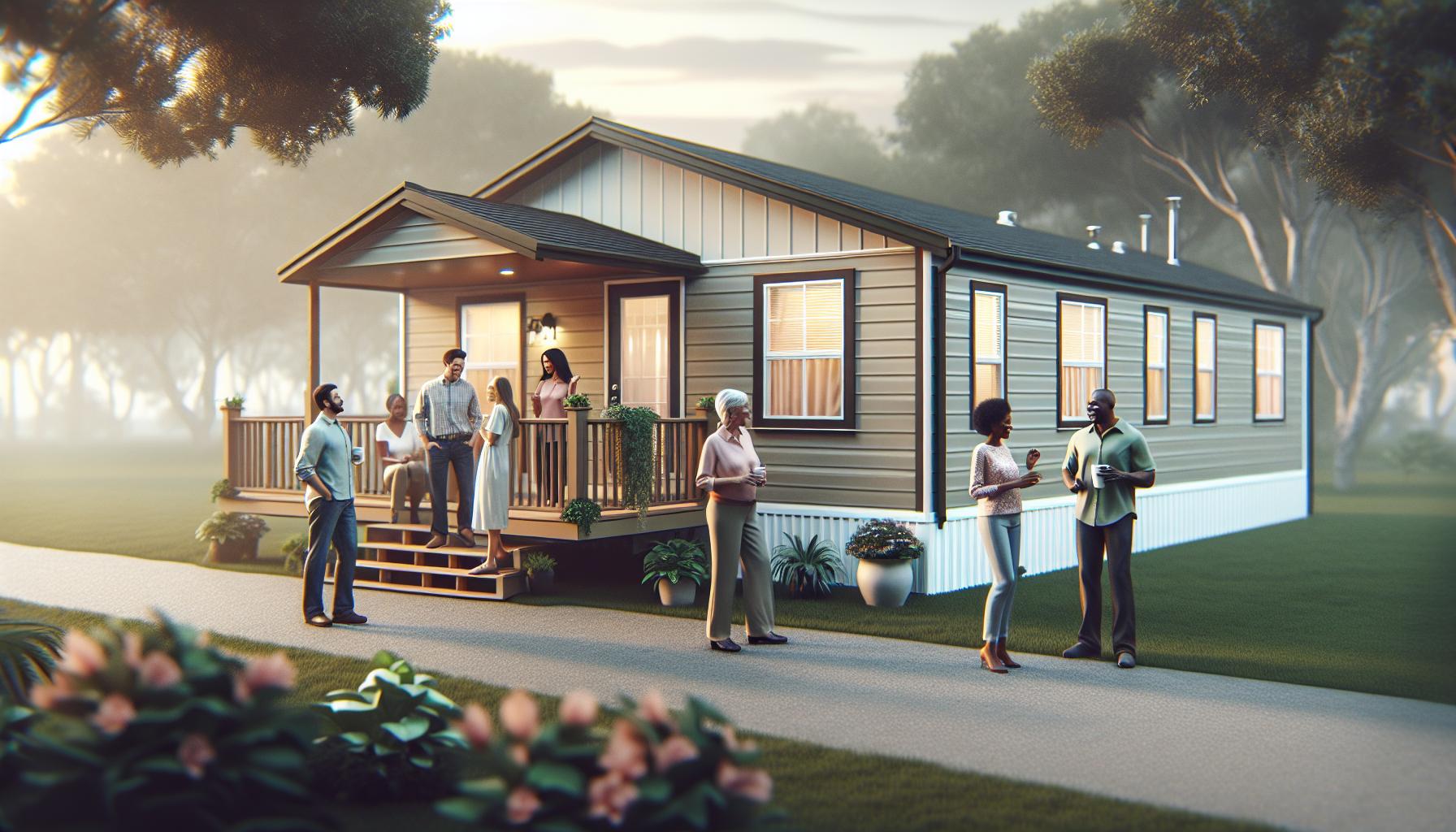
Purchasing a mobile home with cash can be a transformative decision, allowing buyers to bypass the complexities associated with financing. One of the most significant advantages is the elimination of interest payments, which can add thousands to the overall cost of a home. By paying in full up front, homeowners can enjoy greater financial freedom and the peace of mind that comes with having no monthly mortgage obligations. This immediate ownership eliminates the risk of default and potential foreclosure, common concerns for buyers relying on loans.
In addition to financial security, buying a mobile home for cash simplifies the purchasing process. Without the need for lengthy loan approvals, buyers can move quickly when they find a home that meets their needs. This agility is especially advantageous in competitive markets where homes can sell within days. Furthermore, the absence of a mortgage allows buyers to focus on other costs associated with mobile home ownership, such as insurance, utilities, and maintenance, enabling a clearer budget.
Another noteworthy benefit of a cash purchase is the potential for negotiating a better deal. Sellers often prefer cash buyers since the transaction can finalize faster and is typically less complicated than those involving financing. The ability to present a cash offer can make a buyer more appealing, potentially allowing for lower purchase prices or additional amenities. This leverage can help buyers find the best value for their investment.
To truly maximize the benefits of paying cash, it’s essential for buyers to conduct thorough research beforehand. Understanding the property market and being well-versed in current valuations will empower buyers to make informed decisions. A seasoned buyer may even consider having a professional home inspection conducted to avoid unexpected repair costs after the purchase. Ultimately, paying cash for a mobile home not only streamlines the buying process but also establishes a solid foundation for future financial stability and home enjoyment.
Step-by-Step Guide to Buying a Mobile Home with Cash
When buying a mobile home with cash, having a clear plan and understanding each step of the process is essential for a successful transaction. The straightforward nature of a cash purchase allows buyers to avoid many complications associated with financing, making it a popular choice among many. Here’s a detailed guide to help you navigate the purchasing process confidently.
1. Determine Your Budget
Before you begin your search, establish a realistic budget that includes not only the purchase price of the mobile home but also additional costs such as taxes, insurance, and any necessary renovations. It’s advisable to build in a cushion for unexpected expenses, which are common with mobile home purchases.
2. Research the Market
Conduct thorough research on the mobile home market in your desired area. Look for trends in pricing, neighborhood demand, and available amenities. Online resources, local listings, and real estate agents can provide valuable insight. Knowing the average prices for similar homes will empower you to negotiate effectively.
3. Inspect Potential Homes
Once you’ve identified potential mobile homes, arrange for inspections to assess their condition. Look for structural issues, plumbing problems, or any signs of wear that might require repairs. A comprehensive home inspection can save you from unexpected costs later on.
4. Make a Cash Offer
When you find a mobile home that meets your criteria, prepare to make a cash offer. Sellers often prefer cash transactions for their speed and reduced complexities. Be ready to negotiate the price, using your research and inspection findings to justify your offer.
5. Secure Necessary Documentation
Although there’s no financing to secure, you still need to gather essential documents for the transaction. This includes proof of funds, which demonstrates your ability to complete the purchase without financing.
6. Complete the Closing Process
Work with a title company or real estate attorney to complete the closing process. They’ll help ensure that all documents are correctly prepared and that you meet any legal requirements specific to mobile home ownership in your state. This step often includes signing the title transfer and settling any additional fees.
7. Prepare for Move-In
Once the purchase is finalized, prepare your new mobile home for living. This may involve setting up utilities, ensuring proper anchoring, and making any desired renovations. Pay attention to special considerations such as local building codes, site preparation (like leveling the home), and safety measures against natural disasters.
By following these steps meticulously, you can enjoy the benefits of homeownership, including the freedom that comes from a mortgage-free lifestyle. Embrace the convenience and efficiency of buying your mobile home with cash, and step confidently into your new living situation.
Negotiating the Best Deal for Your Mobile Home
Negotiating the price of a mobile home can significantly impact your overall spending, allowing buyers to enjoy substantial savings when approached strategically. One key advantage of making a cash offer is that it typically positions you as a more attractive buyer-sellers often favor cash transactions because they eliminate the uncertainty and delays associated with financing. This leverage can serve as a powerful tool during negotiations, but it requires careful preparation and execution.
To start, ensure you’ve conducted thorough market research, which involves looking at comparable sales in the area to gauge fair pricing. This background knowledge equips you to craft an informed offer and defend it if challenged. For example, if you know similar homes are selling for $7,000 while the listing price is $10,000, you might start your offer at a lower but reasonable price, such as $6,000 to leave room for negotiation. Being transparent about your findings, like recent neighborhood sales and the home’s condition from your inspections, can strengthen your position and justify your offer.
Once you enter negotiations, deploying multiple offer strategies may yield favorable outcomes while keeping the conversation fluid. For instance, if the seller is hesitant, presenting two to three different offers on paper, such as adjusting for repairs or closing costs, can encourage them to consider your flexibility and potential as a buyer. An offer that includes a quick close may also sweeten the deal, making it more appealing to the seller who may be looking to finalize a sale swiftly.
Finally, always be prepared to walk away if the terms do not meet your needs. This stance can often lead the seller to reconsider their pricing or explore alternative concessions. Throughout the process, maintain a professional and respectful demeanor, as fostering goodwill can often be just as essential as leveraging negotiation tactics. By integrating these approaches, you can place yourself in a strong position to negotiate the best deal for your cash-purchased mobile home, ensuring an investment that aligns with your financial goals.
Financing Options: What If You Change Your Mind?
Considering a cash purchase for a mobile home often leads to the question of whether it remains the best option if circumstances change. Life can be unpredictable, and it’s essential to keep your financing options open, even after deciding to buy outright. If you have the means to buy a mobile home with cash, it’s important to evaluate potential scenarios where reconsidering financing might be beneficial.
One alternative is to utilize a home equity loan or line of credit after purchasing your mobile home. This option allows you to tap into the asset you’ve just bought, especially if property values in your area appreciate over time. By taking a loan against the home post-purchase, you could release some cash for other investments or expenditures, providing financial flexibility. You may also find that interest rates on loans can be lower than anticipated, giving you strategic leverage to maintain liquidity.
Another consideration could be selling the mobile home after making an all-cash purchase. If market conditions improve or if you find a buyer willing to pay more than you initially invested, you could capitalize on that opportunity. Always keep in mind that maintaining clear, organized documentation of your purchase will facilitate a smoother transition if you ever decide to sell or refinance. Ultimately, while paying in cash provides peace of mind and simplifies the buying process, staying aware of alternative financing options opens the door to greater financial adaptability in a changing market.
It’s also prudent to consult with a financial expert to consider tax implications or benefits associated with potential financing options after your cash purchase. Staying informed not only empowers you in your immediate decision-making but also sets you up for long-term success with your mobile home investment.
Insurance Needs for Your Cash-Purchased Mobile Home
Investing in a mobile home can be a wise decision for affordable living, but safeguarding that investment is crucial. While purchasing your home with cash may simplify some aspects of ownership, understanding your insurance needs remains essential. Mobile homes, like all properties, are vulnerable to various risks, including natural disasters, liability claims, and theft. Homeowners insurance helps mitigate these risks, providing peace of mind and financial protection.
When selecting an insurance policy, you have several coverage options tailored for mobile homes. Key considerations include replacement cost vs. actual cash value. Replacement cost coverage reimburses you for the full amount necessary to rebuild your home at current prices, ensuring that you’re not left short due to depreciation. Conversely, actual cash value considers depreciation, which could mean receiving a lesser amount in the event of a claim. Many buyers prefer replacement cost policies to ensure full coverage for their cash investment.
Furthermore, additional coverages you may want to consider include personal property protection, liability coverage, and specific endorsements for unique circumstances like flood or earthquake insurance. Given that mobile homes can be more susceptible to certain hazards than traditional homes, it is advisable to review your risk profile with an insurance agent. They can guide you through tailored options that address your specific location and lifestyle, considering factors such as proximity to water bodies or areas prone to windstorm damage.
Lastly, ensure you periodically assess your coverage amounts, especially if you renovate or upgrade your home. Keeping your policy updated safeguards against underinsurance, especially in a fluctuating housing market. By being proactive about your mobile home insurance, you’ll enjoy the benefits of your investment with an added layer of security and peace of mind.
Navigating Legal Requirements for Mobile Home Ownership
Navigating the legal landscape of mobile home ownership can seem daunting, but understanding your rights and responsibilities is crucial for a successful investment. The first step involves ensuring that your mobile home is legally classified. In many areas, mobile homes are considered personal property rather than real estate, which can affect how they are taxed and registered. It’s important to obtain a title for your mobile home, similar to a car title, which establishes your ownership and can be required when selling or financing the home.
When purchasing a mobile home, especially with cash, it is vital to conduct thorough due diligence regarding local zoning laws and land use regulations. For instance, some areas may have restrictions on where mobile homes can be placed. Before finalizing your purchase, check that the land is zoned for mobile homes, and inquire about any community regulations if the home is located in a mobile home park. Confirming these details can prevent costly legal issues and ensure compliance with local statutes.
Additionally, you might encounter specific disclosure requirements mandated by state or local laws. Sellers are often obliged to disclose known defects or hazards related to the mobile home, which is akin to standard real estate transactions. Understanding these disclosures can protect your investment by ensuring you are aware of any potential problems before the sale closes.
Finally, familiarize yourself with the process of setting up the home on its site. This may include obtaining permits for utilities, adhering to local housing codes, and ensuring proper installation. Proper setup is not only vital for safety but also for ensuring that you are following legal requirements. By taking the time to understand these aspects, you can confidently navigate the legal requirements associated with mobile home ownership, transforming what may seem like an uphill battle into a smooth and secure investment experience.
Long-Term Maintenance Tips for Your Mobile Home
Maintaining a mobile home is a crucial aspect of ensuring its longevity and enhancing your investment. With proper care, these homes can provide a comfortable living space for years to come. One of the best practices is to conduct regular inspections and maintenance on key components such as the roof, plumbing, and appliances. For instance, checking for signs of wear or leaks in the roofing material can prevent costly repairs in the future, especially in areas prone to severe weather.
Additionally, routine maintenance tasks should include:
- Inspecting the foundation: Regularly check for signs of shifting or settling, as these can indicate larger issues that need addressing. Proper leveling and anchoring are essential to the stability of your mobile home.
- Cleaning gutters and downspouts: This prevents water from pooling around your home, which can lead to foundation and structural problems. Make it a seasonal task to clear debris and ensure proper drainage.
- Assessing HVAC systems: Schedule annual inspections of your heating and cooling systems for optimal performance. This not only enhances comfort but also increases energy efficiency.
- Maintaining plumbing: Regularly check for leaks in pipes and fixtures. Addressing minor issues early can save you from more extensive water damage later on.
Understanding climate-specific challenges is also critical. For example, in hurricane-prone regions, it’s vital to ensure that your mobile home is properly tied down and secured. Investing in storm tie-downs and other reinforcement can safeguard against severe weather impacts.
Finally, establishing a budget for ongoing maintenance can simplify ownership. Setting aside 1% to 2% of your mobile home’s total value each year is a prudent guideline for future maintenance costs and repairs[[1](https://www.21stmortgage.com/web/21stdigest.nsf/blog/monthly-costs-of-mobile-home-ownership.htm)]. This proactive approach will empower you to enjoy your mobile home without being overwhelmed by unexpected expenses.
Preparing Your Cash-Purchased Mobile Home for Living
Getting your mobile home ready for living is an exciting step that marks the beginning of a new chapter. To ensure your comfort and safety, several essential procedures must be followed before settling in. Preparing a mobile home involves more than just setting up furniture; it requires attention to structural integrity, utility connections, and personal touches that transform the space into a home.
Begin with the crucial tasks of leveling and anchoring your mobile home. A properly leveled home can help prevent structural issues, making the living space more comfortable and safe. This process often involves measuring the height at various points and adjusting with leveling blocks as needed. It’s also vital to secure the home to the ground with anchors, especially in areas prone to severe weather. These anchors not only provide stability but also help meet local building codes, potentially reducing insurance costs over time.
Next, focus on utility connections. Ensure that water, electricity, and gas services are properly connected and functioning. It’s advisable to hire professionals for this task if you’re uncertain about the process, especially when it comes to gas installations. Check local regulations regarding inspection and permits to avoid any legal issues later. During this phase, inspecting the plumbing for leaks and the electrical system for safety will save you headaches down the line.
Once the essentials are taken care of, move on to creating a personalized space. Painting the walls, adding window treatments, and choosing décor can significantly enhance your living environment. Consider also incorporating insulation or skirting around the base of your home to improve energy efficiency and prevent pests from entering.
Lastly, familiarize yourself with the legal requirements of living in a mobile home. This includes understanding zoning laws, inspecting contracts if you rent the land, and potentially registering your home with local authorities.
Taking these steps will ensure your cash-purchased mobile home is ready for comfortable living while setting a solid foundation for your future within this unique housing option. Embrace the process and look forward to making lasting memories in your new home.
Understanding Property Value and Resale Considerations
Understanding the value of a mobile home and its resale potential is crucial for anyone considering a cash purchase. Unlike traditional homes, mobile homes may depreciate over time, but this does not inherently diminish their value. In many markets, they can become increasingly desirable, particularly if located in well-maintained parks or desirable neighborhoods. Buyers must consider factors like location, condition, and market demand to effectively evaluate a mobile home’s value.
Key Factors Influencing Mobile Home Value:
- Location: Proximity to amenities, job markets, and recreational areas play a significant role in a mobile home’s value. Homes located in vibrant communities or with easy access to major transport routes tend to hold their value better.
- Conditional Upkeep: A well-maintained home can appreciate, whereas neglect can lead to rapid depreciation. Regular maintenance, including exterior repairs and interior updates, can significantly enhance value.
- Age and Model: Newer models typically come equipped with modern features that increase appeal and desirability. Knowing the reputation of different manufacturers can also help gauge future resale value.
- Improvements: Renovations such as kitchen or bathroom upgrades can increase a mobile home’s value. Buyers should consider potential home improvements as part of their investment strategy.
Another important aspect to consider is the resale market for mobile homes. Selling a cash-bought mobile home can often occur more quickly than traditional homes, especially if priced competitively. Prospective sellers should gather documentation including warranties, maintenance records, and inspection reports to maximize their market position. Engaging with local real estate professionals who understand the mobile home market can also provide invaluable insights and access to potential buyers.
Considering these factors can help homeowners make informed decisions that maximize their investment in a mobile home. With the right approach and awareness of market conditions, cash buyers can secure a property that not only meets their immediate needs but also maintains or increases its value over time.
Faq
Q: Can you buy a mobile home with cash?
A: Yes, purchasing a mobile home with cash is possible and often simplifies the buying process. You skip financing complexities and can negotiate better deals with sellers, as cash offers are generally more attractive.
Q: What are the benefits of buying a mobile home outright with cash?
A: Buying with cash eliminates monthly mortgage payments, reduces overall costs by avoiding interest, and provides immediate ownership. Additionally, cash purchasers can often negotiate better prices and have more straightforward transactions.
Q: Are there any hidden costs when buying a mobile home for cash?
A: Yes, potential hidden costs include property taxes, insurance, setup fees, and maintenance expenses. Be sure to factor in these additional costs to fully understand the total financial commitment.
Q: How does paying cash for a mobile home affect resale value?
A: Paying cash can positively impact resale value; cash buyers tend to be more serious, facilitating quicker sales. However, factors like location and condition of the mobile home significantly influence its overall resale potential.
Q: Are there any risks to buying a mobile home with cash?
A: Risks include potential loss of liquidity, as large cash payments reduce savings available for emergencies. Additionally, without a financing process, you might overlook thorough inspections or market evaluations, risking overpayment.
Q: Can you finance a mobile home after purchasing it cash?
A: Yes, you can refinance a mobile home after buying it with cash. This option allows you to tap into the equity you’ve built, which can be used for other investments or home improvements.
Q: What should you consider before buying a mobile home with cash?
A: Consider your overall financial situation, including emergency savings, potential repair costs, and the mobile home’s location and market conditions. Ensure that the cash purchase aligns with your long-term financial goals.
Q: How do cash purchases affect the negotiation process for mobile homes?
A: Cash purchases can enhance your negotiating power. Sellers may favor cash offers due to the speed of the transaction and the reduced risk of financing complications, allowing you to secure better terms or lower purchase prices.
Insights and Conclusions
Ready to dive deeper into mobile home ownership? Understanding the nuances of buying a mobile home with cash can open doors to a rewarding lifestyle. Remember, purchasing outright eliminates financing worries but also requires careful consideration of setup and maintenance. As you contemplate your next steps, explore our guides on mobile home setup procedures, maintenance tips, and essential financing options to solidify your investment.
Don’t miss out on our comprehensive resources about property valuation and insurance considerations, ensuring your dream home is both secure and fulfilling. Join our community by subscribing to our newsletter for ongoing tips and expert insights! How do you feel about mobile home ownership? Share your thoughts in the comments below, and let’s continue this conversation together. Your journey toward a vibrant mobile home lifestyle starts now!