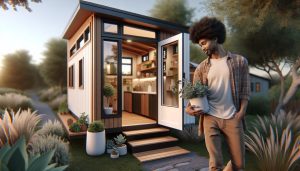
Navigating financing options for modular homes can feel daunting, yet it’s a crucial step for potential homeowners seeking affordability and flexibility in their living space. Did you know that modular homes can often qualify for a variety of loan programs that traditional homes do? Understanding these financing avenues not only empowers you to make informed decisions but also helps alleviate common concerns about securing your dream home. In this guide, we’ll explore the diverse loan options available, from FHA and conventional loans to specialized programs tailored for manufactured housing. Whether you’re a first-time buyer or looking to invest, unlocking the right financing can transform your vision of homeownership into reality. Keep reading to discover how to effectively fund your modular home journey!
Understanding Modular Home Financing Options
can significantly ease the journey to homeownership. Whether you’re considering a modular home as a primary residence or an investment property, knowing the available financing avenues is crucial. Modular homes, which are built in sections and assembled on-site, may qualify for various traditional and specialized financing options, making them a flexible choice for many prospective buyers.
One common financing route is through conventional loans, which can be used for modular homes if they meet specific criteria set by lending institutions. These loans typically require a credit score of 620 or higher and a down payment ranging from 3% to 20%, depending on the buyer’s financial profile and the loan type. Additionally, modular homes often need to be permanently affixed to a foundation to qualify for conventional financing, ensuring that they meet local housing regulations and standards.
Another opportunity lies in government-backed financing programs, such as FHA loans, which might be more accessible for first-time buyers or those with lower credit scores. FHA loans can cover modular homes and often require a lower down payment (as low as 3.5%). VA loans are also an excellent choice for eligible veterans, offering zero down payment options while potentially having lower interest rates. It’s important to consult with lenders familiar with modular home financing, as these programs can vary in acceptance based on the home’s specifications and location.
To aid in securing financing, prospective buyers should prepare a comprehensive financial portfolio, demonstrating their income stability and creditworthiness. By understanding and leveraging the right financing options, you can embark on the journey to owning a modular home with confidence and ease.
Types of Loans Available for Modular Homes
When considering financing options for modular homes, it’s essential to understand the variety of loan types available, as this flexibility can significantly impact your budget and ownership experience. Modular homes, which offer affordability and customizable designs, are eligible for several specific financing programs designed to accommodate their unique construction methods and permanent foundation requirements.
Conventional Loans
Conventional loans are often the first type of financing that comes to mind. These loans are typically issued by private lenders and can cover modular homes if they meet certain criteria. To be eligible, the home must usually be permanently affixed to a foundation, a requirement that aligns with standard home financing practices. Borrowers generally need a credit score of at least 620 and a down payment ranging from 3% to 20%. Understanding the specifics of each lender’s requirements can help buyers navigate this pathway smoothly.
FHA Loans
Another fantastic option for potential homeowners is the FHA loan, which can be particularly beneficial for first-time buyers. The Federal Housing Administration insures these loans, thereby lowering risk for lenders. FHA loans often require a lower down payment-sometimes as low as 3.5%-and are more lenient on credit scores, making them a viable option for individuals with less-than-perfect credit histories. However, it’s crucial to ensure that the modular home meets FHA standards, which include being placed on a permanent foundation.
VA Loans
Eligible veterans and active-duty military personnel have the opportunity to utilize VA loans, which present an attractive option with no down payment requirement and competitive interest rates. These loans can cover modular homes as long as certain conditions are met, such as the unit being permanently affixed to the land. Understanding the regulations tied to VA loans can streamline the homebuying process, making it more accessible for those who have served.
USDA Loans
For buyers in rural areas, USDA loans offer another appealing choice. These loans target low-to-moderate-income individuals and families, providing financing with zero down payment for qualifying properties. Modular homes are eligible under this program as long as they are located in designated rural areas and conform to USDA guidelines.
Specialized Financing Options
Many lenders also offer specialized loan products tailored for modular homes. These loans might include options such as portfolio loans, where lenders keep the mortgage in-house rather than transferring it to a secondary market. This can be a suitable option for buyers looking for flexibility in terms or those purchasing unique or custom-built modular designs that typical lenders may hesitate to finance.
By evaluating these diverse financing options, potential modular home buyers can select the one that best aligns with their financial situation and housing preferences. Engaging with lenders familiar with modular financing can further clarify these options, ensuring a smooth transition into your new home.
Key Eligibility Criteria for Modular Home Loans
Understanding the eligibility criteria for modular home loans is crucial for potential buyers as it directly impacts their financing options and overall home-buying experience. Modular homes are not only a viable housing option but also offer unique advantages that can appeal to various lifestyles and budgets. However, specific conditions must be fulfilled before securing financing.
To qualify for modular home loans, the most significant requirement is that the home must typically be affixed to a permanent foundation. This aligns with conventional home financing standards and is critical for lenders to consider the property a permanent residence rather than a temporary structure. Besides having a proper foundation, buyers will also need to demonstrate their financial reliability. Most lenders expect borrowers to have a credit score of at least 620, although some programs like FHA loans may allow for lower scores.
Down payments are another important factor when considering loan eligibility. Many conventional lenders require a down payment between 3% to 20%, while specific government-backed programs may offer more favorable terms. For example, USDA loans may even allow for zero down payment in designated rural areas.
Lastly, it’s essential to check the home against the specific requirements set by the lending institution. Some lenders might have particular rules regarding the type, size, or construction of the modular home, so early communication with lenders knowledgeable about modular financing can streamline the eligibility process. This preparation not only enhances the chances of obtaining favorable financing but also equips potential buyers with the necessary knowledge to make informed decisions about their new home.
In summary, understanding these key eligibility criteria empowers buyers to navigate the modular home financing landscape more effectively, allowing them to focus on what truly matters-making their new house a home.
Government-Backed Financing Programs for Modular Homes
Government-backed financing programs offer substantial advantages for those considering modular homes, providing routes to affordable housing that might otherwise be inaccessible. These programs are designed to assist a variety of buyers, from first-time home seekers to those in rural areas, making modular homes a practical option within various community contexts.
One of the most prominent government-backed options is the Federal Housing Administration (FHA) loan, which can be particularly advantageous for buyers looking to secure a mortgage with a lower credit score than typically required by conventional lenders. FHA loans allow down payments as low as 3.5%, making it easier for those with limited savings to become homeowners. These loans can be used for modular homes as long as they are built to state-approved standards and are affixed to a permanent foundation.
Similarly, USDA loans are specifically aimed at promoting homeownership in rural areas, providing financing options with zero down payment for eligible applicants. This program is particularly effective for those looking to situate their modular homes in less densely populated regions. To qualify, applicants must meet specific income limitations, and the home must be located in an eligible rural area, which the USDA defines broadly to promote community development.
Beyond FHA and USDA loans, veterans and active military members may qualify for VA loans, which require no down payment and offer competitive interest rates. These loans are available to veterans purchasing modular homes, provided the homes meet the VA’s requirements for safety and habitability.
In addition to these major programs, states and local governments may offer their own financing assistance designed explicitly for modular and manufactured homes. These programs can come in the form of lower interest rates, direct grants, or other assistance to help make homeownership more accessible. It’s advisable for potential buyers to investigate local housing authorities for any specific programs that can provide additional financing support.
In summary, leveraging government-backed financing programs can make modular homeownership not just a dream but a reality for many individuals and families. By understanding these options and their eligibility requirements, potential buyers can position themselves to take full advantage of the financial support available, turning a modular home into a welcoming space they can call their own.
Conventional Loans vs. Specialized Financing Options
Choosing the right financing option for a modular home can significantly impact your financial future and homeownership experience. Conventional loans are typically offered by banks and credit unions and follow the traditional mortgage guidelines, which include strict credit requirements and higher down payment expectations, often around 20%. However, these loans can be an excellent fit for buyers with solid credit scores and stable financial histories, allowing them to secure competitive interest rates and favorable loan terms. Given that modular homes are built to adhere to local building codes and can appreciate in value, many lenders may consider them eligible for conventional financing, provided they meet specific standards.
On the other hand, specialized financing options cater specifically to the unique nature of modular homes. Programs like FHA loans are designed to accommodate buyers who may have lower credit scores or smaller down payment capabilities. FHA loans allow for down payments as low as 3.5%, making homeownership more accessible for first-time buyers or those with limited savings. These loans are particularly beneficial for modular homes, as long as they are permanently affixed to a foundation and built according to FHA specifications.
Understanding the Differences
When comparing conventional and specialized financing, consider the following factors:
- Credit Requirements: Conventional loans generally require a higher credit score compared to FHA or USDA loans.
- Down Payment: Specialized loans can offer lower down payments, making them more appealing for budget-conscious buyers.
- Interest Rates: Conventional loans often provide lower interest rates for qualified borrowers, but specialized loans can be more lenient for those with less-than-perfect credit.
- Property Type: Ensure that your modular home meets the specific eligibility criteria set by the loan type-permanently affixed homes typically qualify for more financing options.
In addition to these financing types, some lenders also offer portfolio loans, which are held by the lender rather than sold on the secondary market. These loans are often designed for unique properties, including modular homes, allowing for flexibility in terms and conditions that may not be available through conventional or specialized options. This means that buyers with a diverse financial background can still find financing that fits their situation.
In summary, it’s vital for prospective modular homebuyers to assess their financial situations carefully and explore both conventional and specialized financing options. Understanding the pros and cons of each can lead to more manageable payments over time and a smoother journey to homeownership.
How to Qualify for Modular Home Financing
Qualifying for financing on a modular home can open the door to affordable homeownership, making it essential to understand both the requirements and the strategies that will help you succeed in securing a loan. Many prospective buyers may not realize that modular homes, due to their construction methods and adherence to local building codes, are often viewed favorably by lenders. However, they still need to meet specific eligibility criteria, similar to traditional housing loans.
To effectively position yourself for modular home financing, start by focusing on your credit profile. Most lenders prefer a credit score of 620 or higher, though some specialized programs may allow for lower scores. Take proactive steps to improve your credit, such as paying down existing debt, ensuring bills are paid on time, and checking your credit report for errors. Moreover, assembling a comprehensive financial picture that includes income verification, assets, and liabilities will make it easier for lenders to evaluate your eligibility.
Another crucial factor in qualifying for modular home financing is the type of loan you pursue. Familiarize yourself with government-backed financing options like FHA and USDA loans, which often feature lower down payment requirements-potentially as low as 3.5%-and flexible credit criteria. This might particularly benefit first-time buyers or those with limited savings. Additionally, ensuring that your modular home is permanently affixed to a foundation and meets specific standards will enhance its eligibility for these loans.
Strategies to Enhance Approval Chances
- Document Readiness: Collect and organize your financial documents, including pay stubs, bank statements, and tax returns. This preparation will streamline the approval process and demonstrate your financial responsibility.
- Understand the Property: Make sure that your modular home meets the lender’s criteria. Lenders typically prefer homes that are newly constructed or in excellent condition; thus, conducting necessary inspections and repairs may be beneficial.
- Consider Down Payment Options: Look into assistance programs or grants which could potentially cover your down payment. Many state and local governments offer these options, which can make a significant difference in your initial investment.
- Maintain Financial Stability: Avoid large purchases or taking on new debt before applying for a loan. Lenders scrutinize your financial behavior, and any significant changes can impact your application process.
By taking these steps, you increase your chances of qualifying for modular home financing, ultimately leading to a smoother path toward achieving your homeownership goals.
Navigating the Modular Home Loan Application Process
Navigating the loan application process for a modular home can feel overwhelming, but being well-prepared can transform this challenge into a seamless experience. When entering into discussions with lenders, it’s essential to understand what they are specifically looking for, as well as the steps involved in the application process itself. Modular homes are seen as strong candidates for financing due to their construction methods and adherence to building codes, making them appealing to lenders.
Start by gathering all necessary documentation. This includes your credit report, pay stubs, bank statements, and tax returns. Having these documents organized can significantly speed up the approval process and showcase your readiness to lenders. Focus on your credit score; ideally, it should be 620 or higher. If you find your score is lower, consider taking steps to improve it before applying, such as reducing existing debt or correcting any inaccuracies on your report.
Next, consider the type of loan you plan to apply for. Different lenders may have varying criteria and programs suited for modular homes, including traditional mortgages, FHA loans, and USDA loans. Each has specific stipulations regarding the down payment, loan limits, and eligibility criteria. Ensure that your modular home is permanently affixed to a foundation, as this significantly influences eligibility for government-backed loans.
When you’ve selected a lender and prepared your documents, it’s time to fill out the application. Be ready to provide detailed information about your financial situation, including your income, employment status, and debts. During this stage, communication is key; don’t hesitate to reach out to your lender with any questions or clarifications you may need.
Finally, after submitting your application, the lender will conduct an appraisal of the property. Ensure your home is in good condition, as this can influence the loan amount you’re approved for. Once your loan is approved, carefully review all terms and conditions before signing. By understanding the modular home loan application process and being diligent in your preparation, you can set yourself up for success in securing financing for your new home.
Understanding Down Payments and Interest Rates
Securing financing for a modular home often hinges on understanding the two key components that can significantly impact your overall borrowing experience: down payments and interest rates. These factors not only influence the affordability of your monthly mortgage payments but also play a crucial role in determining your eligibility for various loan programs.
When it comes to down payments, most lenders typically require a percentage of the home’s purchase price upfront. For modular homes, this can range anywhere from 3% to 20%, depending on the type of loan and your financial profile. For example, conventional loans often necessitate a 20% down payment to avoid private mortgage insurance (PMI), while government-backed loans like FHA and USDA loans may accept as little as 3.5% or even 0% if you qualify for specific programs. To reduce the upfront cost, buyers should explore all available financing options and government programs that may offer assistance in covering down payment costs.
Interest rates also hold considerable sway over the homeowner’s financial journey. They can fluctuate based on market conditions and the lender’s assessment of your creditworthiness. Lower interest rates can lead to significant savings over the life of a loan, enhancing your borrowing capacity and overall affordability. It’s essential to shop around, as different lenders may offer varying rates depending on the loan type-conventional, FHA, or VA loans. Being proactive in securing a favorable interest rate might involve improving your credit score, thus presenting yourself as a low-risk borrower.
In summary, understanding the implications of down payments and interest rates can empower potential buyers of modular homes to make informed decisions, ultimately leading to a more stable and manageable financial future. By considering all financing options and being diligent in your preparations, you can pave the way toward homeownership with confidence.
Finding the Right Lender for Your Modular Home
Finding a lender to finance your modular home is a crucial step in the home-buying process, as the choice can significantly affect your financial future. With numerous options available, it’s important to identify lenders who are not only experienced in modular home financing but also align with your financial situation and long-term goals. Many buyers may not realize that financing a modular home can differ from traditional homes, so focusing on lenders who specialize in this sector can lead to a smoother experience.
When shopping for a lender, consider the following factors:
- Experience with Modular Homes: Seek lenders who have a track record of financing modular and manufactured homes specifically. They will be familiar with the unique aspects of these properties, including their appraisal processes and potential challenges in securing loans.
- Loan Options: Determine what kinds of loans the lender offers. Some may provide conventional loans, while others specialize in government-backed options such as FHA or USDA loans. Make sure the lender offers a variety of financing solutions to fit your needs.
- Interest Rates and Terms: Compare interest rates and repayment terms among different lenders. A lower interest rate can significantly impact your monthly payments and the overall cost of your loan. Get quotes from multiple institutions to analyze your options thoroughly.
- Approval Process: Investigate the lender’s approval timeline and process. Some lenders are known for quick approvals, while others may require extensive documentation, leading to delays. A lender who understands the modular home market can often expedite the process.
- Customer Service: Assess the quality of customer service each lender provides. Detailed communication and guidance can make a significant difference, especially for first-time buyers unfamiliar with the modular financing process.
Building Relationships
Establishing a rapport with your lender can make a large difference in your home buying journey. Working with a lender who is accessible and willing to answer your questions can alleviate stress. Whenever possible, meet with lenders in person or via video call to discuss your needs and concerns.
Finally, seeking referrals from friends or family who have successfully financed modular homes can lead to trusted lenders. Online reviews and testimonials can further guide your decision-making process, ensuring you find a lender who is not only knowledgeable about modular homes but also genuinely invested in helping you achieve your dream of homeownership.
Exploring Grants and Assistance Programs
Many prospective homeowners may not realize that numerous grants and assistance programs exist specifically for financing modular homes. These financial resources can significantly alleviate the cost burden associated with purchasing and setting up a modular home, making homeownership more accessible for those with limited budgets or specific financial constraints. Here’s a closer look at some key programs available.
Federal programs like the Federal Housing Administration (FHA) offer loan insurance for buyers of modular homes, which can lower down payment requirements and make qualification easier. FHA loans are particularly beneficial for first-time buyers, as they allow down payments as low as 3.5%. Additionally, the USDA Rural Development program provides zero-down financing for eligible properties in rural areas. This program aims to stimulate economic development in those regions, making it an excellent avenue for those interested in modular homes situated in less urbanized settings.
Beyond federal options, various state and local governments have established grant programs aimed at supporting modular home buyers. These often focus on specific demographics, such as low-income families or veterans. For example, some states offer down payment assistance or closing cost grants, which can be crucial for those struggling to gather the necessary funds. Many programs also come with educational components, providing workshops to help buyers understand the modular home buying process better, thereby empowering them with knowledge and confidence.
When exploring these options, it’s essential to engage with local housing authorities or nonprofit organizations that specialize in housing assistance. They can provide tailored information about availability, application processes, and eligibility criteria, ensuring you find the most appropriate support for your situation. Furthermore, always check eligibility requirements, deadlines, and necessary documentation to maximize your chances of integrating these financial assistance programs into your home buying journey effectively. By leveraging these opportunities, you can make strides towards achieving your dream of owning a modular home without overwhelming financial strain.
Tips for Improving Your Financing Approval Chances
Many potential buyers in the modular home market might feel overwhelmed when it comes to securing financing. However, understanding a few key strategies can significantly enhance your chances of approval. Approaching the financing process with knowledge and preparation not only eases anxiety but also strengthens your application.
Understanding Your Financial Profile
Start by reviewing your credit report and score. This is a foundational step since lenders rely heavily on creditworthiness when assessing applications. Aim for a score of at least 620 for better financing options, although some programs may accept lower scores. Pay off any outstanding debts and correct any errors on your credit report to improve your chances. Additionally, consider consolidating debts if necessary to lower your debt-to-income ratio, which is a critical factor lenders evaluate.
Gathering Necessary Documentation
Having all required documentation ready can significantly speed up the approval process. This includes proof of income, tax returns, bank statements, and information on any outstanding loans. Lenders will want to see that you have a stable source of income and a solid savings history. Being organized and having all these documents at hand not only presents you as a serious buyer but also helps streamline the lender’s assessment.
Exploring Multiple Financing Options
Don’t settle on the first loan offer you receive. Instead, research various lenders, including banks, credit unions, and specialized manufacturers who might offer better terms for modular homes. Each lender may have unique requirements and different rates. Consulting with a mortgage broker or a financial advisor who understands modular home financing can provide diverse options tailored to your situation, ultimately leading to a more favorable outcome.
Considerations for Down Payments
Saving for a down payment can drastically affect your loan request. While some programs like FHA loans require as little as 3.5%, aiming for a higher percentage can strengthen your application. A larger down payment can demonstrate financial stability to lenders, reduce your monthly payments, and potentially help you secure a lower interest rate.
Engaging with Lenders Early
Establishing a relationship with potential lenders before you find a home can provide valuable insights into what you might qualify for. Early discussions can help clarify your financial standing and allow lenders to guide you on improving your profile for a better chance at loan approval.
By taking these proactive steps, you can empower yourself in the modular home financing process. Understanding your financial health, being organized, exploring various options, saving appropriately, and early engagement with lenders will put you in a strong position to secure the financing you need to realize your dream of owning a modular home.
Long-Term Financial Considerations for Modular Home Buyers
Understanding long-term financial considerations is crucial for anyone contemplating a modular home purchase. Unlike traditional homes, modular homes may have unique financial implications regarding appreciation, maintenance, and insurance. One of the first things to consider is how the location of your modular home affects its value. Homes in well-planned communities with amenities tend to appreciate at a higher rate than those in less desirable areas. It’s essential to research local real estate trends to assess potential appreciation over time.
Ongoing Costs and Maintenance
When budgeting for a modular home, prospective buyers should account for ongoing costs that go beyond the initial mortgage payment. Common expenses include:
- Property Taxes: Modular homes are often assessed similarly to site-built homes, making property taxes a significant consideration.
- Maintenance and Repairs: Just like any other home, modular homes require periodic maintenance, including roof repairs and mechanical systems upkeep.
- Insurance: Homeowners need to secure comprehensive insurance that covers all possible risks. Consider that insurance costs can vary significantly based on the home’s location and local risk factors, including weather-related hazards.
Financing Flexibility and Future Needs
Another vital aspect to contemplate is the flexibility of your financing options. As your financial situation evolves-whether due to job changes, family size increases, or retirement-the ability to manage your mortgage effectively can be critical. It may be worthwhile to work with lenders who offer various loan types that enable refinancing should interest rates become favorable or your credit score improves. Additionally, some lenders may provide renovation loans that finance home improvements, allowing you to increase both livability and property value without taking a separate loan.
Investment Strategy and Resale Value
For those viewed as investors, understanding the modular home’s resale potential is essential. Factors such as upgrades, curb appeal, and energy efficiency can significantly influence resale value. Investing in sustainable features-like energy-efficient appliances or solar panels-can not only reduce current operating costs but also make your home more attractive to future buyers.
Ultimately, your approach to financing a modular home should encompass short-term affordability and long-term financial stability. By carefully evaluating your situation and future aspirations, you can position yourself for a rewarding experience in your modular home investment.
FAQ
Q: What financing options are available for purchasing a modular home?
A: Various financing options exist for modular homes, including conventional loans, FHA loans, VA loans, and USDA loans. Each option has specific eligibility criteria and benefits, so it’s essential to evaluate which best suits your financial situation and needs. For detailed information, review the Types of Loans Available for Modular Homes section.
Q: Can I use an FHA loan to finance a modular home?
A: Yes, FHA loans can be used to finance modular homes, provided they meet the necessary requirements set by the FHA. This typically includes ensuring that the home is manufactured in compliance with HUD standards and placed on a permanent foundation. Learn more in the Government-Backed Financing Programs for Modular Homes section.
Q: Are there special loan programs for first-time modular home buyers?
A: Yes, several special loan programs cater to first-time modular home buyers, including FHA and USDA loans, which often offer lower down payments and favorable interest rates. Check the Key Eligibility Criteria for Modular Home Loans section for further guidance tailored to first-time buyers.
Q: How do interest rates for modular home loans compare to traditional home loans?
A: Interest rates for modular home loans can vary based on the type of loan and the lender. Generally, rates may be slightly higher for modular homes compared to traditional site-built homes due to perceived risks. To find competitive rates, refer to the Understanding Down Payments and Interest Rates section for tips.
Q: What are the key eligibility criteria for modular home financing?
A: Key eligibility criteria typically include credit score, stable income, debt-to-income ratio, and the type of land the modular home will be placed on. Additional conditions may apply based on the loan type, as detailed in the Key Eligibility Criteria for Modular Home Loans section.
Q: Can I finance a modular home with land included?
A: Yes, many financing programs allow for the purchase of both a modular home and the land it will sit on. This is often advantageous as it can simplify the financing process. Look at the Conventional Loans vs. Specialized Financing Options section for more insights on this option.
Q: Are there grants available for financing modular homes?
A: Yes, there are various grants and assistance programs available for modular home financing, especially aimed at low-income families and first-time buyers. Research specific state and local programs that may provide financial assistance; details can be found in the Exploring Grants and Assistance Programs section.
Q: What should I consider when choosing a lender for modular home financing?
A: When choosing a lender, consider their experience with modular home loans, interest rates, fees, loan terms, and customer service. It’s important to compare multiple lenders to find the most favorable terms. Refer to the Finding the Right Lender for Your Modular Home section for tips on selecting a lender.
Wrapping Up
As you explore the financing options available for modular homes, remember that understanding these programs can empower you to make informed decisions and maximize your investment. With unique loan products and federal programs at your disposal, the pathway to your dream home is more accessible than ever. Don’t hesitate-start your financing journey today!
For further insights, check out our detailed guides on insurance considerations for modular homes and tips for long-term maintenance. These resources can help you navigate ownership confidently. If you have questions or need personalized advice, consider signing up for our newsletter or scheduling a consultation with our experts.
Your path to homeownership is just beginning. Dive deeper into the world of mobile homes, financing, and maintenance, and take the next steps towards making your modular home a reality!