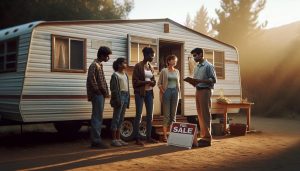
Buying a trailer home, especially with bad credit, may seem daunting, but it’s entirely possible with the right knowledge and strategies. Many potential buyers face financial hurdles, yet manufactured housing offers an affordable pathway to homeownership. Understanding your options-like specific loan programs designed for individuals with less than perfect credit-is crucial to overcoming these challenges. This guide will equip you with practical tips and insights, helping you navigate the landscape of trailer home buying. From securing financing to preparing for life in a manufactured home, you’ll discover valuable resources that can turn your goal into reality. Continue reading to unlock the secrets of successful mobile home purchasing, even in the face of credit challenges.
Understanding Bad Credit and Its Impact on Home Buying
Understanding the nuances of bad credit is crucial for anyone considering purchasing a trailer home. Bad credit can be a significant hurdle in the home-buying process, affecting not only the ability to secure a loan but also the terms and interest rates attached to it. For many potential buyers, bad credit may stem from past financial challenges, such as medical expenses, job loss, or other unexpected life events. These factors can lead to lower credit scores, making lenders wary. However, it’s essential to recognize that while bad credit can limit your options, it does not completely shut the door on homeownership.
The effects of bad credit on the buying process can be profound. Lenders typically assess credit scores to gauge the risk of lending money. A score that falls below the traditionally accepted standard can result in higher interest rates or the requirement of a larger down payment. Some lenders may even deny an application outright based on credit history alone. To navigate these challenges, it’s beneficial for buyers to understand their credit situation fully. Regularly reviewing credit reports for inaccuracies, checking scores through reliable sources, and seeking guidance on how to improve credit over time are essential steps.
In the realm of manufactured homes, many lenders recognize the distinct characteristics of this housing type. Unlike traditional homes, which may rely more heavily on the creditworthiness of the buyer, many lenders in the manufactured home market are more flexible. This flexibility can offer an opportunity for those with bad credit to secure a loan when they can demonstrate stability through employment history or savings. Understanding these nuances can empower buyers to approach the lending process with realistic expectations and a proactive mindset, paving the way for potential homeownership despite credit challenges.
Essential Steps to Improve Your Credit Score
Improving your credit score is not just about accessing better financing options when buying a trailer home; it’s also about setting yourself up for a healthier financial future. A higher credit score can lead to lower interest rates, better loan terms, and increased confidence from lenders. Fortunately, there are concrete steps you can take to enhance your credit score over time.
First, consider regularly checking your credit report for inaccuracies. Many people are unaware that errors can negatively impact their score. You can obtain a free copy of your credit report from the major credit bureaus once a year. Dispute any inaccuracies you find; correcting even minor mistakes can lead to a significant boost in your score. Additionally, paying down existing debts, especially high-interest credit cards, helps lower your credit utilization ratio, which is a crucial factor in credit scoring models. Keeping your credit utilization below 30% of your available credit is generally advisable.
Another effective strategy is to ensure that all bills, including utilities and phone bills, are paid on time. Late payments can stay on your credit report for up to seven years, so making timely payments is essential. Setting up automatic payments or reminders can prevent overdue invoices. If you have student loans or other installment loans, consistent payments will demonstrate reliability to potential lenders.
Lastly, consider becoming an authorized user on a responsible person’s credit card. This can be especially beneficial if they have a long history of on-time payments and low credit utilization. Their positive credit history could reflect on your credit score without you needing to manage the account actively. Remember, patience and persistence are key in this process; improving your credit score takes time, but the effort is worthwhile when it comes to making your dream of owning a trailer home a reality.
Exploring Financing Options for Trailers with Bad Credit
Despite the challenges associated with bad credit, owning a trailer home can still be within reach. Many lenders now recognize the importance of flexible financing options tailored specifically for applicants with poor credit histories. By understanding these options, you can navigate the otherwise daunting waters of securing financing and realize your goal of home ownership.
One viable path is to explore rent-to-own agreements, which allow you to occupy the trailer while paying rent that contributes toward your eventual purchase. This option often comes with no credit check required, making it accessible for those with financial histories that might inhibit traditional loans. Companies like Brechbill Trailers and Happy Trailers offer such programs, providing a practical means to step into ownership without the need for a stellar credit score [[1]], [[2]].
Another option worth considering is specialized financing from lenders who cater specifically to individuals with bad credit. For instance, Roadrunner Financial offers tailored financing for both prime and subprime buyers, ensuring that even those with credit challenges can still receive loan offers without impacting their credit score [[3]].
When approaching potential lenders, it’s essential to be prepared. Consider reinforcing your application with a larger down payment, as this reduces the investor’s risk and may improve your chances of approval. Additionally, having a cosigner with better credit can enhance your application by providing more financial security for the lender, further improving your chances of securing favorable financing terms.
By taking these steps and exploring the various financing options available, you can confidently move towards purchasing a trailer home, thereby transforming your dream of homeownership into reality-even with bad credit.
Finding Lenders That Accept Bad Credit Applications
Finding a lender that is willing to work with applicants who have bad credit can feel daunting, but the landscape is more accommodating than ever. Many lenders are aware that a poor credit history does not always reflect a borrower’s current financial situation or potential to repay a loan. By exploring various financing avenues and being strategic with your application, you can significantly increase your chances of securing the funds needed to purchase a trailer home.
First, it’s important to target lenders who specialize in accommodating low credit scores. Companies like Roadrunner Financial and Acorn Finance focus on providing financing solutions for individuals classified as prime and subprime borrowers. They evaluate your overall financial picture rather than solely relying on your credit score, which can open doors for many buyers who might otherwise feel excluded from the market【3】【3】. You can also explore credit unions, which often have more flexible lending guidelines compared to traditional banks.
Another viable route is to seek out community lenders or local banks that understand your specific circumstances and the market for mobile homes in your area. Establishing a relationship with these lenders can be beneficial; they may be more inclined to consider your situation holistically. Additionally, online platforms allow you to compare different lending offers quickly, which is especially useful for identifying those that cater specifically to individuals with bad credit.
Before applying, ensure your documentation is thorough and well-prepared. Lenders will want to see proof of income, employment history, and a breakdown of your debts. By presenting yourself as a responsible borrower, you can improve your chances of approval. Also consider making a larger down payment, which can reduce the lender’s risk and make you a more attractive candidate for financing【2】.
Finding the right lender who accepts bad credit applications may require persistence, but with the proper approach and resources, achieving homeownership through a trailer home is within reach.
Tips for Getting Approved with a Cosigner
Finding a cosigner can significantly enhance your chances of securing financing for a trailer home, especially if you have a less-than-perfect credit score. A cosigner-typically someone with better credit-is essentially providing their financial backing for your loan. This can give lenders greater confidence in approving your application, as they see the additional security that comes with a more favorable credit history. Understanding how to effectively leverage a cosigner can make a substantial difference in your home-buying journey.
When approaching a potential cosigner, it’s crucial to choose someone who understands the responsibilities they are taking on. Ideally, this should be a family member or close friend who trusts you and is willing to support your financial goals. Begin by explaining your situation clearly, including your plans for homeownership and how you foresee managing the loan repayments. This transparency builds trust and helps the cosigner feel more secure in their decision to assist you.
Before submitting a loan application, ensure both you and your cosigner have a clear understanding of the terms and conditions involved, including the risks associated with their financial liability. It’s also beneficial for both parties to maintain open communication throughout the loan process, addressing any concerns as they arise. Additionally, it’s wise to inform your cosigner about how this loan can impact their credit score, particularly if payments are late or missed.
Strengthening your financial position can further bolster the application. Show the lender that you are taking steps to improve your credit score-like paying off debts or consistently managing bills on time-so that they feel more confident about your ability to make timely payments. When all parties involved are well-informed and committed to the process, securing a loan for your trailer home becomes much more achievable.
In summary, successfully using a cosigner involves careful selection of the right person, ensuring clear communication about responsibilities, and demonstrating your commitment to responsible financial behavior. This collaborative approach can open the door to homeownership, even when navigating the challenges of bad credit.
How to Save for a Down Payment on a Trailer Home
Saving for a down payment on a trailer home can appear daunting, especially when working with less than perfect credit. However, with a strategic approach and dedication, you can accumulate the necessary funds more effectively. A common recommendation is to aim for 10-20% of the purchase price, as this can significantly improve your chances of loan approval and lower your monthly mortgage payments. This goal may feel out of reach, but breaking it down into manageable steps can lead to success.
One practical method to start saving is by creating a dedicated down payment fund. Opening a separate savings account specifically for this purpose can help you track your progress and maintain focus. Here are some actionable steps for building this fund:
- Establish a Budget: Analyze your current expenses and income. Identify areas where you can cut costs, such as dining out or subscription services, and redirect those funds towards your down payment savings.
- Automate Savings: Set up automatic transfers to your savings account each payday. Even small amounts add up over time, making it easier to save consistently.
- Take on Extra Work: Consider part-time jobs or side gigs that align with your skills. Every extra dollar earned can directly contribute to your down payment fund.
- Utilize Windfalls: Tax refunds, bonuses, or monetary gifts can boost your savings. Make a conscious decision to allocate a portion of these funds to your down payment.
Beyond personal financial adjustments, you may also explore programs that assist first-time homebuyers. Many states and local governments offer grants or low-interest loan options specifically designed to help with down payments. Research such programs in your area and be proactive about applying.
In conclusion, while the journey to save for a down payment on a trailer home with bad credit may have its challenges, it is entirely achievable with the right strategies and commitment. Remember, every dollar counts, and with a clear plan, homeownership is within your reach.
Choosing the Right Trailer Home for Your Budget
When considering the purchase of a trailer home, it’s vital to align your choice with your budget and financial situation, particularly if you’re navigating the challenges of bad credit. Understanding what you can afford will help guide you in making a sound investment that suits your living needs while remaining financially sustainable. A well-chosen trailer home can provide a comfortable lifestyle without overstretching your finances, making it a smart option for many.
Start by evaluating your total budget, which includes not just the purchase price of the trailer home, but also additional costs such as insurance, property taxes, maintenance, and utilities. A good rule of thumb is to keep your housing costs, including the mortgage, at no more than 30% of your gross monthly income. To establish a realistic price range for your trailer home, consider performing a detailed financial assessment that encompasses your income, savings, and current debts. This holistic understanding will help you make informed decisions and avoid financial strain.
Next, explore various types of trailer homes, such as single-wides, double-wides, and modular homes. Each type differs in price and features, so it’s important to weigh your options. For first-time buyers or those with limited budgets, investing in a well-maintained used mobile home might be a prudent choice. These homes often offer significant cost savings without compromising on quality, provided they are in good condition and well-located.
Make use of online resources and local listings to find trailer homes that meet your criteria. Don’t hesitate to check out various neighborhoods; often, the same model can vary greatly in price depending on geographic location. Networking within communities or engaging with mobile home parks can also lead to hidden gems that may not be listed through traditional real estate channels.
Lastly, consider additional features that could ease your living environment while keeping within budget. Seeking energy-efficient homes can save you money in the long run on utilities, and looking for properties that require minimal renovations can help maintain affordability. By strategically approaching your home search, you can find a trailer home that fits both your needs and your financial situation, paving the way for a smooth path to ownership despite credit challenges.
Inspecting a Trailer Home Before Purchase
Buying a trailer home can be a rewarding experience, but it’s crucial to conduct thorough inspections before making a commitment, especially when navigating the complexities of bad credit. Many prospective buyers overlook the inspection process, which can lead to unexpected repairs and costs down the line. Engaging in a detailed review not only provides peace of mind but also ensures you are making a sound investment.
Start by assessing the overall structural integrity of the trailer. Check for visible signs of wear and tear, such as cracks in the siding, rotting wood, or issues with the roof. Pay special attention to the underpinning and foundation; any visible shifting or damage could indicate larger problems. Inside the home, inspect walls for moisture stains or unevenness, which can signal plumbing issues or foundational problems. Ensure all doors and windows open and close smoothly, as any sticking could indicate settled ground or frame damage.
Next, focus on the systems that keep the home functioning properly. This includes plumbing, electrical, and heating/cooling systems. Turn on faucets to check water pressure, look under sinks for leaks, and test light switches and outlets. A professional inspection can uncover hidden plumbing problems that might not be immediately apparent. Also, inquire about the age and condition of the major appliances like the furnace, water heater, and air conditioning unit-knowing their lifespan can help you plan for future expenses.
Another important consideration is the safety features of the trailer home. Ensure smoke detectors are operational and check if there’s a carbon monoxide detector installed. If the trailer is older, it may not have modern safety codes necessary for today’s living standards. Lastly, gathering the trailer’s maintenance history from the seller can provide insight into previous repairs or recurring issues, giving you a fuller picture of what you are purchasing.
In summary, investing time in a comprehensive inspection before buying a trailer home can save you both money and stress. Armed with this knowledge, you can negotiate repairs or price adjustments upfront, ensuring that your investment aligns more closely with your financial capabilities and future goals.
Navigating Legal Requirements for Trailer Home Purchases
Navigating the legal landscape of trailer home purchases is an essential step that can significantly impact your experience, especially if you are dealing with bad credit. One of the first aspects to consider is whether the trailer you are interested in is classified as personal property or real estate. This distinction can affect your financing options and legal obligations. Personal property mobile homes often come with different types of loans and insurance options compared to those classified as real estate, which are typically affixed to land.
When purchasing a trailer home, it is crucial to carefully review any local zoning or land use regulations. Many areas have specific rules regarding where you can place a mobile home, including requirements for foundation types and local building codes. Make sure that the property you are considering allows for mobile homes and that any necessary permits are in place. Consulting your local zoning office can help clarify any restrictions or requirements in your area.
Additionally, you will want to ensure that the title of the trailer home is clear of any liens. A lien on a mobile home could complicate your purchase and future ownership. Always request a copy of the title from the seller, and consider seeking assistance from a title company to conduct a thorough background check on the vehicle. This process will allow you to confirm that the seller owns the home outright and that there are no outstanding debts linked to it.
Lastly, understanding warranty and consumer protection laws is vital. In many states, there are laws in place to protect buyers from fraudulent sales or misrepresentations about the trailer’s condition. This could include warranties on new mobile homes or disclosure requirements for used ones. Familiarizing yourself with these protections offers an additional layer of security in your purchasing process and helps ensure that your investment is sound.
In summary, being informed about the legal requirements surrounding mobile home purchases not only helps you avoid pitfalls but also empowers you to make confident decisions. By conducting the necessary research and seeking professional assistance where needed, you can navigate the complexities of buying a trailer home with greater ease.
Insurance Considerations for Trailer Home Buyers
When investing in a trailer home, one of the crucial factors to consider is insurance, which plays a vital role in protecting your investment and providing peace of mind. Unlike traditional homes, trailer homes often require specialized insurance coverage due to their unique characteristics and classifications. Understanding the types of coverage available can help you make informed decisions that fit your needs and budget, especially if you’re navigating the buying process with bad credit.
For trailer home owners, there are typically two main types of insurance: manufactured home insurance and mobile home insurance. Both types serve similar purposes but may have different eligibility criteria and coverage specifics based on how the home is classified-whether as personal property or real estate. Generally, insurance will cover dwelling protection, personal property, liability, and additional living expenses in case of uninhabitable conditions due to covered events, such as fire, theft, and certain natural disasters. Ensure you explore options that cater to your situation, especially since bad credit can sometimes impact the rates you’re offered.
In many cases, premiums are influenced by various factors such as the age, location, and value of the trailer home. To help mitigate potential costs, consider these tips:
- Shop Around: Get quotes from multiple insurance providers, as this will give you a range of premium options and help you find the most cost-effective solution.
- Increase Your Deductible: Opting for a higher deductible can lower your monthly premium, but ensure that it’s an amount you can comfortably afford in case of a claim.
- Consider Bundling: If you already have auto or renters insurance, ask about bundling discounts that could apply when you add mobile home coverage.
- Improve Safety Features: Installing security systems, smoke detectors, and other safety features can potentially qualify you for discounts.
It’s also essential to assess your insurance needs according to your living environment. For those in areas prone to extreme weather conditions-such as hurricanes or floods-additional coverage options like flood insurance might be necessary. Understanding these specific risks can guide you to choose the right coverage to safeguard your investment.
Navigating the insurance landscape is a crucial part of trailer home ownership, particularly for those dealing with credit challenges. Taking the time to thoroughly research your options and compare policies can lead you to the most suitable and affordable insurance plan, ensuring that your new home remains protected against unforeseen events.
Long-Term Maintenance Tips for Your Trailer Home
Maintaining a trailer home properly is essential not only for aesthetics but also for preserving its value and ensuring its longevity. Regular preventive maintenance can save homeowners from costly repairs down the line, making it a wise investment. Despite the unique challenges of trailer homes, a proactive approach can offer peace of mind and enhance your living experience.
To start, prioritize regular inspections of the exterior. Pay attention to the roofing, siding, and skirting, looking for any signs of wear, damage, or leaks. Clean gutters and downspouts to avoid water accumulation, which can lead to mold and structural issues. Consider applying a sealant to prevent moisture from penetrating your home’s exterior. This is particularly important in areas prone to heavy rains or snow. Regular maintenance of the foundation is also crucial, as shifting can lead to serious structural issues. Ensure that the home is level, adjusting piers as needed to maintain stability.
Inside, make it a habit to inspect and maintain HVAC systems. Regularly replace filters and schedule annual servicing to ensure your heating and cooling systems are running efficiently. This not only enhances comfort but also can lower energy bills-an especially critical factor for those on a tight budget due to credit challenges. Furthermore, routinely check for signs of moisture in the plumbing and fixtures. Patching leaks early can prevent larger issues and health concerns such as mold growth.
While maintaining your trailer home, consider its unique needs, especially regarding weather preparedness. For instance, if you live in a storm-prone area, reinforcing tie-downs will help your trailer withstand harsh conditions. Investing in higher-quality materials for renovations and upgrades can also pay off in the long run. Keeping your trailer home in good repair makes it more appealing for potential resale, securing greater value if you choose to sell in the future.
By focusing on these maintenance tips, trailer homeowners can protect their homes, enhance their living conditions, and ultimately foster a sense of pride in owning a trailer home. Regular upkeep reinforces the understanding that trailer living is a legitimate and rewarding lifestyle choice, making it a complete home environment rather than just a temporary solution.
Preparing for Resale: Maximizing Your Trailer’s Value
Preparing your trailer home for resale is a crucial step not only in maximizing its financial value but also in making it appealing to prospective buyers. In a competitive housing market, where every detail counts, taking a proactive approach to enhance your home’s marketability can lead to a quicker sale and potentially a better price. Successful reselling often hinges on first impressions, so presenting a well-maintained, inviting home will draw interested buyers and create a sense of trust.
To elevate your trailer home’s value, start with essential repairs and aesthetic upgrades. Address any visible maintenance issues, such as leaks, cracks, or rust on the exterior. A fresh coat of paint can do wonders; opt for neutral colors that appeal broadly. Updating fixtures like door handles, lighting, and faucets not only modernizes the space but can also give the impression of a more expensive home. Additionally, consider staging the home to highlight its best features-clean, declutter, and arrange furniture in a way that showcases space and functionality.
Boosting Curb Appeal
Factors inside matter, but the exterior is the first thing buyers see. Enhance curb appeal by maintaining the landscaping-mow the lawn, trim bushes, and add colorful flowers. Clean gutters and ensure the skirting is in good condition. If applicable, offer outdoor space like a well-kept deck or patio area that shows the potential for outdoor living. Making these improvements may seem trivial, but they can significantly affect buyers’ perceptions and willingness to purchase.
Documentation and Transparency
An essential part of preparing for resale is having all necessary documentation ready, including maintenance records, warranties, and any certifications related to repairs or upgrades. This transparency reassures buyers that the property has been cared for and can prevent potential issues in negotiations. Consider getting a professional inspection before listing your home; this allows you to address any underlying problems ahead of time and enhances buyer confidence.
Finally, leverage online platforms to broaden your reach. High-quality photos highlighting both interior and exterior features can attract more potential buyers. Detailed descriptions that include information about recent improvements, community amenities, and the unique lifestyle that comes with living in a trailer home can help set your listing apart. By presenting your trailer home effectively and maintaining it diligently, you can ensure a successful resale process, validating the choice of mobile home living as a legitimate and rewarding housing option.
Frequently Asked Questions
Q: What are some common financing options for trailer homes with bad credit?
A: Common financing options for trailer homes with bad credit include FHA loans, which are often more lenient with credit scores, and personal loans. These can be obtained through specialized lenders or credit unions that emphasize flexible credit criteria. Always compare terms and interest rates to find the best fit for your situation.
Q: How can I improve my chances of getting approved for a trailer home loan?
A: To improve your chances of loan approval, consider saving for a larger down payment, working to improve your credit score, and keeping existing debts low. Additionally, having a cosigner with good credit can enhance your application. Explore various lenders to find those specializing in bad credit loans.
Q: Are there specific lenders that specialize in trailer home loans for bad credit?
A: Yes, certain lenders, such as private mortgage companies and community banks, specialize in helping individuals with bad credit obtain trailer home loans. Research online and check local resources to find lenders willing to work with your credit situation.
Q: What steps can I take to save for a down payment on a trailer home?
A: To save for a down payment on a trailer home, create a strict budget that prioritizes savings, consider additional income sources like freelance work or part-time jobs, and establish a dedicated savings account specifically for your down payment.
Q: What should I inspect before purchasing a trailer home?
A: Before purchasing a trailer home, inspect crucial areas such as the roof, plumbing, electrical systems, and framing for signs of damage or wear. Hiring a professional inspector can provide a thorough assessment, ensuring you understand the home’s condition before finalizing your purchase.
Q: How does bad credit affect the interest rate on a trailer home loan?
A: Bad credit typically results in higher interest rates on trailer home loans, as lenders view borrowers with lower scores as higher risk. Improving your credit status or applying with a cosigner can help secure more favorable rates.
Q: Can I buy a trailer home without a credit check?
A: While most traditional lenders will conduct a credit check for trailer home loans, some alternative financing options, such as rent-to-own agreements or seller financing, may not require a credit check. However, these options often come with higher overall costs.
Q: What legal requirements should I be aware of when buying a trailer home?
A: When purchasing a trailer home, be aware of zoning laws, land ownership or rental agreements, and the title transfer process. It’s essential to review local regulations and ensure all paperwork, including permits and insurance, is in order before making a commitment.
For further details on improving credit for loans, check our section on “Essential Steps to Improve Your Credit Score.”
Wrapping Up
Embarking on the journey to buy a trailer home with bad credit can feel daunting, but you now have the tools and knowledge to turn your dream into reality. Remember, strong financing options are available even for those with less-than-perfect credit. Don’t hesitate to revisit our tips on improving your credit score and explore financing resources tailored for manufactured homes.
Ready to take the next step? Discover our guides on mobile home maintenance and renovation techniques, ensuring your new space remains a safe and inviting haven for years to come. If you have questions or personal experiences to share, we’d love to hear from you in the comments. Your journey to homeownership is valid, and we’re here to support you every step of the way! Don’t forget to subscribe to our newsletter for more expert insights and updates.