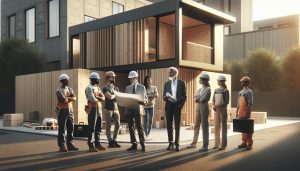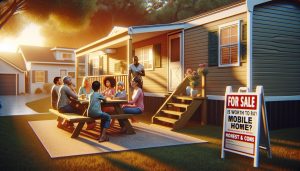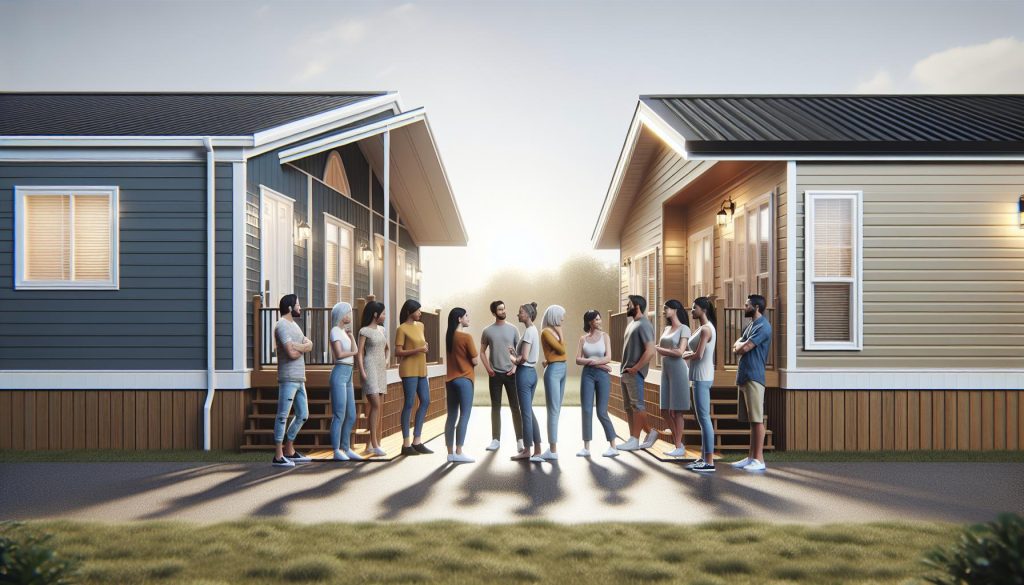
Understanding the distinction between manufactured and mobile homes is crucial for anyone considering alternative housing options. While both types of homes offer affordability and flexible living arrangements, they differ significantly in construction standards and regulations. Manufactured homes are built according to federal guidelines and are often more modern and durable, while mobile homes, typically built before 1976, may not meet these specific standards. This topic is important not just for prospective buyers but for current owners looking to maintain or upgrade their homes. By exploring these differences, readers will gain valuable insights into choosing the right type of home for their lifestyle, understanding financing options, and ensuring proper care and compliance. Join us as we delve deeper into the specifics to empower your housing decisions and enhance your living experience.
What Are Manufactured Homes?
Manufactured homes, often referred to as factory-built or modular homes, represent an innovative approach to residential living, combining affordability with versatility. They are built in controlled environments according to stringent federal guidelines established by the HUD (Department of Housing and Urban Development). Unlike traditional homes that are constructed on-site, manufactured homes are produced in a factory and then transported to their intended locations, allowing for a quicker build time and often lower costs. This method of construction also results in less environmental disruption at the site of the home.
As a testament to their widespread acceptance, manufactured homes serve as a viable housing solution for a diverse range of buyers. They are available in a plethora of styles and sizes, from single-section units to more expansive multi-section homes. Homebuyers can personalize their manufactured homes with various design features to suit individual preferences, making them not only functional but also stylish. It’s important to note that the terminology can be a bit confusing; the term “mobile home” specifically refers to homes built prior to July 15, 1976, while “manufactured home” applies to those built after this date under the established federal regulations.
Investing in manufactured homes can also provide unique advantages, particularly for first-time homebuyers or those looking to downsize. They typically come at a lower price point compared to traditional homes, making them an attractive option for individuals and families seeking affordable housing solutions. Additionally, many manufactured homes come equipped with modern amenities, high energy efficiency standards, and architectural styles that meet contemporary tastes, enhancing their appeal for potential buyers in today’s housing market.
Understanding Mobile Homes
Mobile homes hold a distinctive place in the housing landscape, often invoking curiosity and questions about their nature and validity as a living option. Understanding these homes begins with acknowledging that mobile homes, as a term, refers specifically to homes built before July 15, 1976. After this date, regulations established by the U.S. Department of Housing and Urban Development (HUD) categorized homes built in a factory and transported to a site as manufactured homes. This change was pivotal for enhancing the quality, safety, and construction standards under which these homes operate.
History and Evolution
Historically, mobile homes were designed with mobility in mind, allowing owners the flexibility to relocate as needed. These homes were often simpler in design and construction, which could lead to concerns about durability and safety. However, as regulations evolved, so did the manufacturing processes. Today’s manufactured homes are built to rigorous standards, enhancing structural integrity and energy efficiency while offering modern designs that rival traditional homes.
Unique Benefits of Mobile Homes
Mobile homes can be an appealing option for many, providing affordability and choice. They are generally more affordable than traditional site-built homes, which can make homeownership accessible for first-time buyers and those on a fixed income. Moreover, mobile homes come in a variety of sizes and styles, from compact single-section units to spacious multi-section homes, allowing potential buyers to select a model that fits their lifestyle and needs.
The setup and maintenance of mobile homes can also be more straightforward than traditional homes. With proper installation and care, mobile home owners can enjoy a comfortable living space that adheres to their personal preferences. Understanding mobile home ownership entails being familiar with the practical aspects of utility connections, skirting installation, and maintenance tips that can prolong the life of your home.
Considerations for Future Homeowners
For future homeowners contemplating mobile living, certain considerations are essential. It’s important to choose a solid location with access to needed amenities and ensure that local zoning laws allow for mobile home placement. Inspecting the home for quality, understanding financing options specific to mobile homes, and securing appropriate insurance will also contribute to a positive experience.
By appreciating the evolution and potential of mobile homes, prospective buyers can see them as legitimate and valuable options in today’s housing market. With informed decisions, these homes can provide a stable, affordable lifestyle that meets various needs and preferences.
Key Differences Between Manufactured and Mobile Homes
Manufactured homes and mobile homes often generate confusion due to their similar characteristics, yet the distinctions between the two are crucial for buyers and owners to understand. The key difference lies primarily in their construction standards and the timeline of their development. Homes constructed after July 15, 1976, are classified as manufactured homes, while those built before this date are referred to as mobile homes. The introduction of the HUD Code in 1976 established strict regulations for the construction, design, and safety standards of manufactured homes, significantly improving their reliability and quality compared to earlier models.
Another important aspect distinguishing these two types of homes is their permanence. Manufactured homes are built on a permanent chassis and can be secured to a foundation permanently, making them a more stable housing option. In contrast, mobile homes were designed with mobility in mind, allowing for easier relocation but often leading to a perception of lesser stability and value. This notion has changed as manufactured homes offer the possibility of long-term residency without the uncertainties associated with mobility.
Furthermore, the financing and insurance landscape differs markedly between manufactured and mobile homes. Many lenders are more willing to finance manufactured homes due to their adherence to modern safety standards and construction practices, often equating them with traditional homes more than mobile homes. This increased acceptability can ease the financial process for buyers, providing access to more favorable loan options. Additionally, insurance companies typically offer broader coverage plans for manufactured homes because of their stringent regulatory backing.
In practice, current and prospective homeowners should be aware of these differences, not only to make an informed purchasing decision but also to understand how it impacts their investment over time. With greater modern amenities and sturdier construction, manufactured homes are increasingly seen as viable, safe, and sustainable housing choices, bridging the gap between affordability and quality. Understanding these nuances will empower buyers to navigate the manufactured housing market confidently.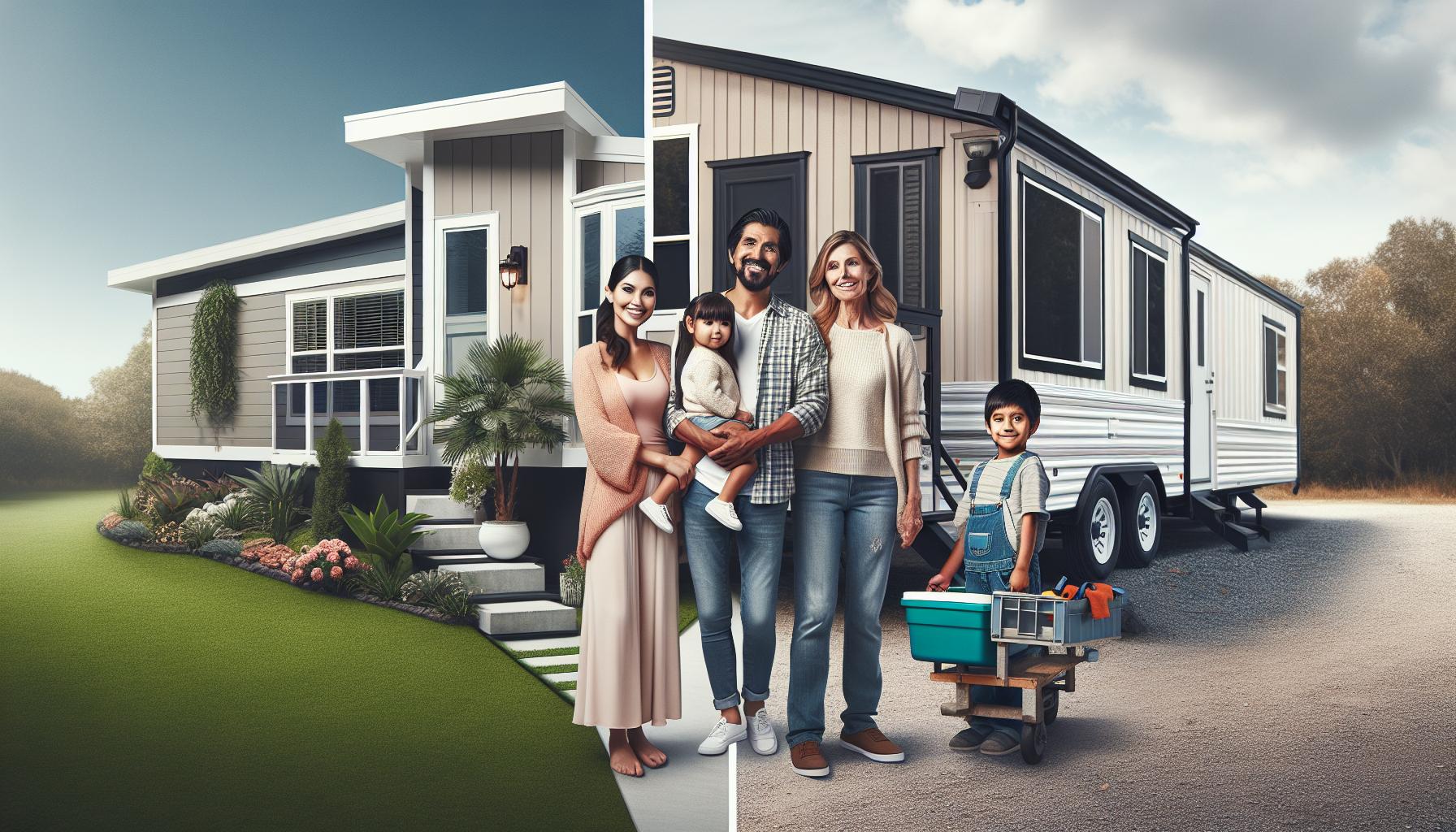
Construction Standards: Quality and Safety
Manufactured homes have come a long way in terms of construction quality and safety, propelled by the establishment of the HUD Code in 1976. This federal regulation set a benchmark for standards which manufacturers must meet, resulting in homes that are not only structurally sound but also designed for long-term livability. One fascinating aspect is that manufactured homes are built in a factory setting, allowing for greater quality control as they undergo rigorous inspections before being transported to their destination. This controlled environment reduces construction errors and ensures more consistent quality across homes.
Regulatory Compliance plays a crucial role in the construction of manufactured homes. Builders must adhere to specifications regarding materials, design, and performance, covering everything from framing to plumbing systems. The strength of these homes is crucial; instead of the traditional wood framing, many manufactured homes now incorporate advanced materials like steel and reinforced concrete, which enhance durability and resistance to environmental factors. For buyers, this means a home that stands up to the test of time while providing a safe living space.
Quality and Safety Features are also integrated into the design of manufactured homes. Modern advancements include improved insulation, energy-efficient windows, and high-quality roofing materials, which contribute to better thermal regulation and lower utility costs. Additionally, safety features such as smoke detectors and built-in fire-resistant materials are standard, enhancing the security of residents.
Investing in a manufactured home offers substantial benefits compared to older mobile homes, particularly regarding safety standards. As a potential buyer, look for homes that showcase their compliance with these higher standards, verifying if they’ve passed inspections and obtained the necessary certifications. Understanding these factors empowers you to make a well-informed choice, ensuring you choose a home that meets both quality and safety expectations, thus solidifying your investment in a reliable housing option.
Financing Options for Manufactured Housing
Obtaining financing for manufactured housing can often be more intricate than securing a mortgage for traditional site-built homes. Understanding the various options available is crucial for potential buyers, as these homes can provide affordable living while still requiring careful financial planning. The landscape of financing has evolved, accommodating both manufactured and mobile homes under various programs tailored specifically for these unique housing types.
Fannie Mae, for instance, offers specialized financing for manufactured homes under their conventional loan programs. Their MH Advantage program provides financing for homes that adhere to strict construction standards comparable to site-built homes, enhancing the appeal for those seeking to finance their purchase similar to traditional mortgages. These homes are designed with enhanced features, potentially leading to better appraisals and lower rates. As of February 2023, lenders must include comparable sales of site-built homes when appraising MH Advantage homes, ensuring a robust valuation process for buyers[[1]](https://singlefamily.fanniemae.com/originating-underwriting/mortgage-products/manufactured-home-financing).
In addition to conventional lending, government-backed loans, such as those from the FHA and VA, represent valuable financing options for manufactured home buyers. FHA loans are particularly appealing due to their lower down payment requirements and more lenient credit score criteria, making them ideal for first-time buyers or those with less-than-perfect credit. Meanwhile, VA loans cater specifically to veterans and eligible service members, offering favorable terms with zero down payment options, which can significantly reduce the upfront costs associated with purchasing a home[[2]](https://www.bankrate.com/loans/personal-loans/how-to-buy-a-mobile-home/).
It’s also important for buyers to consider personal loans and chattel loans, which are used specifically for financing mobile homes situated on leased land. Unlike traditional mortgages, chattel loans are secured against the mobile home itself rather than the land. This can be beneficial for those looking to place a manufactured home in a mobile home park or on land they do not own. As a viable alternative, personal loans provide a faster and sometimes less cumbersome application process, although they may come with higher interest rates[[2]](https://www.bankrate.com/loans/personal-loans/how-to-buy-a-mobile-home/).
Overall, navigating the financing landscape for manufactured housing involves understanding diverse loan options, comparing terms, and selecting the right financing strategy that aligns with individual financial situations and goals. With a blend of conventional, government-backed, and alternative loan options, potential homeowners can find suitable funding opportunities enabling them to invest in manufactured housing confidently.
Navigating Insurance for Mobile Homes
is a crucial aspect for owners to ensure their investment is protected. Just like traditional homes, mobile homes face risks from natural disasters, theft, and accidents, making insurance indispensable. Understanding the specific needs for mobile home insurance can set you on the right path to securing adequate coverage.
When seeking insurance, begin by assessing the types of coverage available. Mobile home policies can vary significantly, but common options include liability coverage, which protects against injuries to others on your property, and property coverage, which insures your home against damages. Replacement cost coverage is particularly valuable; it pays the full cost to replace your home with a similar one, rather than just its market value at the time of loss. This can be crucial in instances where the home is damaged beyond repair [[2]](https://www.progressive.com/mobile-home/).
Additionally, consider the implications of your mobile home’s location. Many insurers offer policies that specifically account for additional risks, such as geographical vulnerability to hurricanes or floods. Ensure your policy includes natural disaster coverage, especially if you live in an area prone to such events. Moreover, bundling your mobile home insurance with other policies, such as auto insurance, may provide discounts and simplify your premium payments [[3]](https://www.foremost.com/products/mobile-home/).
Take the time to consult with insurance agents who specialize in mobile home coverage. They can guide you toward the best options based on your unique situation, including the specifics of your home, its location, and your budget. Always read the fine print and understand your policy limits and deductibles, which will help you avoid unwelcome surprises when filing a claim. By being proactive and knowledgeable about your insurance options, you can protect your mobile home and ensure peace of mind.
Legal Considerations for Mobile Home Owners
Navigating legal considerations is crucial for mobile home owners, as these aspects can significantly affect ownership rights and responsibilities. Unlike traditional homes, mobile homes face unique legal challenges, especially concerning zoning laws, permits, and property rights. It’s essential to recognize that the classification of a mobile home as real property or personal property can impact property taxes, registration requirements, and even financing options. Understanding these distinctions is the first step toward making informed decisions about your investment.
When purchasing a mobile home, ensure you are aware of local zoning regulations that might dictate where mobile homes can be placed. Some areas have restrictions on whether mobile homes can be parked in certain neighborhoods, or they may require specific permits for setup and occupancy. Engaging with local government resources or zoning boards beforehand can prevent future disputes and pave the way for a smoother installation process. Additionally, if you’re planning to move your mobile home later, knowing the zoning laws is also critical as they can affect relocation options.
Legal Documentation and Title Considerations
Proper documentation is another essential aspect of mobile home ownership. Ensure the title of the mobile home is clear and that all necessary legal documents, including the bill of sale and any warranties, are in order. Title issues can arise if the previous owner owes debts or has not legally transferred ownership, which could complicate your ownership rights. Keeping your documentation up to date will involve maintaining records of any renovations or alterations, as these can impact your mobile home’s value and compliance with health and safety standards.
Moreover, contracts with mobile home parks must be scrutinized thoroughly. If you rent the lot where your mobile home is situated, be sure to understand lease terms, rules regarding common areas, and any additional fees that might be associated with living in the park. Speak with your neighbors or management to clarify any ambiguities in park policies to avoid conflicts later on. This proactive approach will not only protect your rights but will also foster positive relationships within your community.
By taking the time to understand these legal considerations, mobile home owners can safeguard their investment and ensure a hassle-free living experience. Balancing local laws and personal rights is essential in navigating the unique landscape of mobile home ownership, ultimately leading to a more secure and fulfilling lifestyle.
Setting Up Your Mobile Home: A Step-by-Step Guide
Setting up a mobile home correctly is crucial to ensuring its longevity, comfort, and safety. A well-planned installation can help prevent costly damages and maintenance issues down the line. Begin by selecting a suitable lot that adheres to local zoning regulations and offers access to essential utilities. This choice will influence everything from transportation costs to daily living convenience. Below is a comprehensive guide to help you navigate the setup process.
Step 1: Site Preparation
Before your mobile home arrives, ensure the site is prepared adequately. This preparation involves:
- Clearing the Land: Remove any debris, trees, or rubble that could hinder the mobile home’s setup.
- Leveling the Ground: Proper leveling is critical to avoid structural issues. Hire a professional if necessary to ensure the ground is even.
- Installing a Foundation: Depending on local codes, you may need a concrete slab or piers. A proper foundation helps secure the mobile home against wind and water damage.
Step 2: Transporting the Home
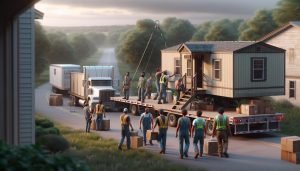
Once the site is ready, the mobile home will need to be transported. Ensure that the moving company is experienced with mobile homes to minimize the risk of damage during transit. When unloading, make sure the setup team aligns the home correctly on its foundation using a level.
Step 3: Leveling and Anchoring
After positioning the home, the next step involves further leveling and anchoring:
- Check for Level: Utilize a carpenter’s level to ensure that the home is level both side-to-side and front-to-back. Adjust as necessary.
- Anchor the Home: Install anchors and tie-downs according to the manufacturer’s guidelines to stabilize the structure against wind and natural elements.
Step 4: Connecting Utilities
The next critical task is connecting all utility systems:
- Water and Sewer: Engage local utility companies to connect water supply and sewage services. Ensure that plumbing meets local codes.
- Electrical Connection: A licensed electrician should set up your electrical connections to ensure safety and compliance with regulations.
- Gas Lines: If applicable, make sure that gas lines are installed and inspected by a certified professional.
Step 5: Final Inspection and Landscaping
Once utilities are connected, perform a thorough check of your mobile home’s setup. Look for any leaks in plumbing or gas lines, and test electrical outlets. After everything is functioning correctly, consider landscaping around your home, which can help improve aesthetics and prevent soil erosion.
By following these steps, you can ensure a smooth installation process for your mobile home, establishing a safe, comfortable, and durable living environment. Always consult with professionals where necessary to meet local building codes and increase the safety and value of your investment.
Maintenance Tips for Long-Term Mobile Home Care
Maintaining a mobile home is essential for ensuring its longevity and preserving its value, just as with a traditional home. Regular upkeep not only enhances the aesthetic appeal but also prevents costly repairs down the line. To effectively manage your mobile home’s maintenance, consider several critical areas.
Regular Inspections
Conducting periodic inspections is fundamental to maintaining the integrity of your mobile home. This includes checking for signs of moisture intrusion, which can lead to mold and structural damage. Make a habit of inspecting:
- Roof: Look for damaged or missing shingles and leaks around vents or chimneys.
- Foundation: Check for cracks or shifts that could suggest settling.
- Windows and Doors: Ensure seals are intact to prevent drafts and leaks.
- Internal Systems: Monitor plumbing and electrical systems for any irregularities.
Seasonal Maintenance Tasks
Adopting a seasonal maintenance routine can help keep your mobile home in top shape.
- Spring: Clean gutters, inspect the roof for winter damage, and test your air conditioning system.
- Summer: Check for pest infestations, tighten exterior skirting, and address any landscaping that could be affecting drainage.
- Fall: Winterize outdoor faucets, inspect and clean heating systems, and ensure windows and doors close properly.
- Winter: Keep an eye on the interior for any signs of frost buildup and ensure that your heating system is functioning efficiently.
Upkeep of Exterior Elements
The exterior of your mobile home requires attention to detail to safeguard against weather and wear. Consider:
- Painting and Sealing: Regularly paint and seal the exterior surfaces to protect from moisture and UV damage.
- Landscaping: Maintain a distance between vegetation and the home to prevent potential damage from roots and to improve drainage.
- Skirting Maintenance: Inspect and repair skirting to keep pests out and retain insulation.
By committing to a solid maintenance plan and understanding the specific needs of your mobile home, you can ensure that it serves as a comfortable, safe, and valuable investment for years to come.
Renovation Ideas to Enhance Your Mobile Home
Transforming your mobile home into a personalized haven can make a significant difference in both comfort and property value. Renovations do not have to be extensive or costly; even small updates can rejuvenate your living space and improve functionality. Whether you’re looking to modernize your aesthetic or optimize your layout, consider these renovation ideas.
Open Up Your Space
One of the most effective ways to enhance your mobile home is by creating an open-concept layout. If your home has a wall separating the kitchen from the living area, consider removing it to create a more spacious feel. This can be done by consulting with a professional to ensure it’s not a load-bearing wall. Opting for an island or a peninsula in the kitchen can also provide additional workspace and seating, making it a more inviting area.
Upgrade Your Fixtures and Finishes
Small updates can have a big impact. Replacing outdated light fixtures, cabinet hardware, and faucets can instantly modernize your home. Consider sleek, energy-efficient lighting options to brighten spaces while saving on electricity bills. Additionally, refinishing or painting cabinets can breathe new life into your kitchen or bathroom without the expense of a complete remodel.
Enhance Your Outdoor Space
Don’t overlook the exterior; your porch or deck can serve as a valuable expansion of your living area. Adding a deck can create an outdoor lounge space, perfect for entertaining or enjoying your morning coffee. A fresh coat of paint or new siding can improve curb appeal, and landscaping with native plants can enhance your home’s surroundings while being low-maintenance.
Insulation and Energy Efficiency
Improving insulation is a wise investment for long-term savings and comfort. Consider upgrading windows to double-glazed models, which can significantly reduce heating and cooling costs. Adding insulation to the skirting and roof can help maintain a consistent indoor temperature, making your home cozier year-round.
Mobile homes have their unique challenges and advantages, making thoughtful renovations valuable for enhancing comfort and resale value. With a blend of creativity, practicality, and strategic planning, you can create a space that feels like home while increasing its overall functionality.
Investing in Manufactured Housing: Pros and Cons
Investing in manufactured housing has become an increasingly attractive option for many buyers seeking affordable alternatives to traditional homes. With an array of benefits, including lower upfront costs and versatility, it’s essential to weigh the pros and cons carefully before making this type of investment. Understanding these factors will help you navigate the unique landscape of manufactured homes and ensure that your investment meets your long-term housing goals.
One of the primary advantages of manufactured homes is the cost-effectiveness compared to site-built homes. Due to streamlined construction processes, such homes typically have lower price points, making homeownership more accessible for individuals and families. Additionally, many manufacturers offer customizable floor plans, allowing buyers to personalize their homes while keeping costs manageable. This flexibility can result in a tailored living space that aligns with your needs without breaking the bank.
However, potential drawbacks do exist. Manufactured homes can depreciate in value over time, particularly if not placed on owned land. Buyers should consider the location and type of community, as these factors can significantly influence property value. Moreover, securing financing might present challenges, as some lenders perceive manufactured homes as riskier investments. It’s wise to explore various financing options, including specialized loans tailored for manufactured housing, to ensure you find suitable terms that fit your budget.
Key Considerations
Investors should also be mindful of the regulations and zoning laws in their chosen area. Different municipalities have varying requirements that may affect where manufactured homes can be placed, as well as ongoing costs such as property taxes and community fees. Additionally, understanding the potential for appreciation or depreciation is crucial; while some manufactured homes retain or increase their value, others may not, so conducting thorough market research is vital.
Before diving into the investment, consider these points:
- Market Research: Examine local markets for manufactured homes to gauge demand and price trends.
- Community Type: Decide whether to place your home in a manufactured home community or on private land. Each option has distinct implications for your living experience and investment value.
- Insurance and Safety: Mobile homes may have different insurance requirements than traditional homes, and it’s critical to understand how to prepare for safety measures, especially in areas prone to natural disasters.
Investing in manufactured housing can offer rewarding opportunities for affordability and personalization, provided that prospective buyers take the time to understand the complexities involved. With thoughtful planning and informed decision-making, you can navigate the nuances of this housing market and find a dwelling that suits your lifestyle and financial aspirations.
Preparing for Natural Disasters: Safety Tips for Mobile Homes
Natural disasters can pose significant risks to mobile homes, making preparedness essential for residents. Unlike traditional homes, mobile and manufactured homes can be more vulnerable to severe weather events such as hurricanes, tornadoes, and floods. Thus, implementing effective safety measures can mitigate potential hazards and protect both inhabitants and the structure itself.
One of the most crucial steps in disaster preparedness is ensuring that your home is properly anchored. In regions prone to high winds, utilize tie-down systems that comply with local regulations. This equipment helps secure the home to its foundation, reducing the risk of being displaced by strong winds. Homeowners should also consider upgrading to a wind-resistant design or making renovations that enhance structural integrity, such as adding bracing to walls and roofs.
Additionally, it’s imperative to create and maintain an emergency plan tailored to your family’s needs. This plan should include identifying escape routes and safe locations outside of your community. Ensure that all family members are familiar with the plan and practice drills regularly. Stocking an emergency kit with essential supplies such as food, water, medications, flashlights, and first-aid materials will also prepare you for unexpected situations. When severe weather is forecasted, remain vigilant by monitoring local alerts and respond promptly to any evacuation orders.
Moreover, investing in appropriate insurance coverage specifically designed for mobile homes can offer peace of mind. Many standard homeowner policies may not cover specific risks associated with mobile homes, so it’s vital to consult an insurance specialist to evaluate and secure a policy that provides adequate protection against natural disasters.
In summary, being proactive about safety in mobile homes involves extra precautions compared to traditional homes. By anchoring your structure, preparing an emergency plan, stocking supplies, and ensuring robust insurance coverage, you create a solid foundation for facing the challenges posed by natural disasters. Such measures not only safeguard your property but also help maintain peace of mind for you and your family.
Faq
Q: What are the primary differences between manufactured and mobile homes?
A: The main differences between manufactured and mobile homes are in their construction standards and terminology. Manufactured homes are built according to HUD standards, making them more structurally sound and permanent. Mobile homes, older structures built before 1976, often do not meet these regulations.
Q: How does zoning affect mobile and manufactured homes?
A: Zoning regulations can differ significantly for mobile and manufactured homes. Manufactured homes typically qualify for more varied zoning areas, including residential zones, while mobile homes might be restricted to specific mobile home parks or areas designated for older units.
Q: Are manufactured homes considered personal property or real estate?
A: Manufactured homes can be considered either personal property or real estate, depending on how they are installed. If they are placed on a permanent foundation and the land is owned, they become real estate. If they are not secured to the land, they remain personal property.
Q: What financing options are available for manufactured homes?
A: Financing options for manufactured homes include FHA loans, conventional loans, and personal loans. Due to their classification as personal property, financing may differ from traditional home mortgages, often requiring different criteria and possibly higher interest rates.
Q: Do manufactured homes appreciate in value?
A: Yes, manufactured homes can appreciate in value, especially if they are well maintained and located in desirable areas. Factors such as market trends, property improvements, and land ownership significantly influence appreciation potential.
Q: Can I get insurance for a mobile home?
A: Yes, mobile homes can be insured, but the type of policy may differ from traditional homeowners insurance. Specific mobile home insurance policies cover unique risks and liabilities associated with mobile home living. It’s recommended to shop for specialized coverage.
Q: What should I know about maintenance for manufactured homes?
A: Maintenance for manufactured homes is crucial for longevity. Regular inspections of the exterior, plumbing, and HVAC systems help prevent costly repairs. Additionally, following a maintenance schedule helps uphold the home’s value, just as outlined in the “Maintenance Tips for Long-Term Mobile Home Care” section of our article.
Q: Are there special safety considerations for mobile homes in disaster-prone areas?
A: Yes, mobile homes in disaster-prone areas, such as hurricane zones, require special safety measures. Installing storm tie-downs, ensuring proper anchoring, and having a disaster plan can significantly enhance safety. Reference our “Preparing for Natural Disasters” section for comprehensive guidance.
In Summary
Understanding the differences between manufactured and mobile homes is the first step toward smart homeownership. As you explore your options, whether you’re considering a new purchase, renovations, or ongoing maintenance, remember that each choice carries unique advantages and responsibilities. Don’t hesitate to check out our comprehensive guides on mobile home financing options and essential maintenance tips to equip yourself with all the necessary knowledge.
If you’re ready to take action, subscribe to our newsletter for exclusive insights and updates, or visit our resources page to learn about mobile home insurance and legal requirements. Your journey into mobile home living can be rewarding and fulfilling-stay informed and confident in your decisions! Feel free to share your thoughts or questions in the comments below; we’re here to help you navigate this rewarding housing choice. Remember, a well-informed homeowner is a successful one!