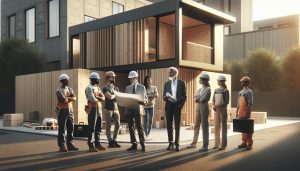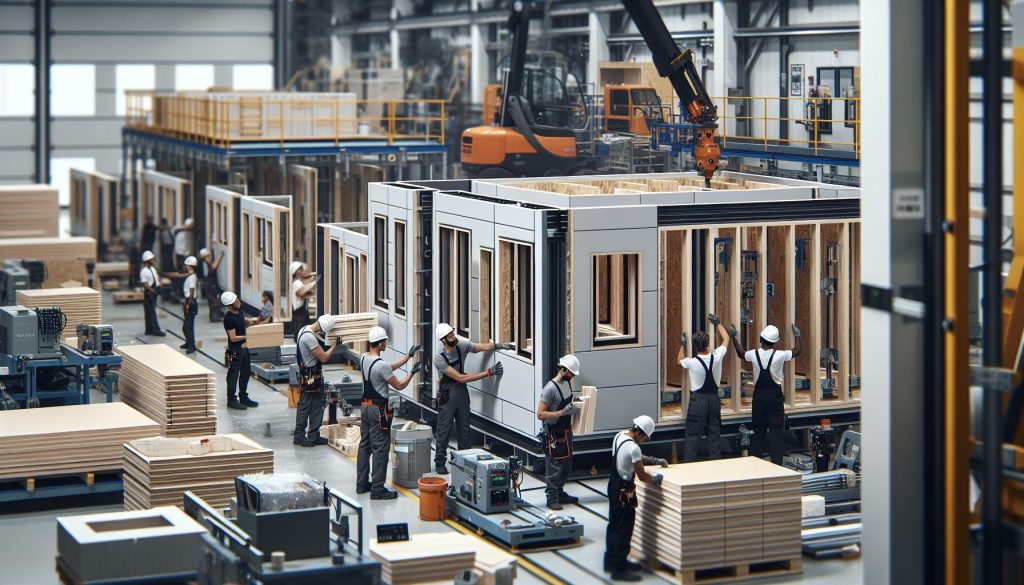
Did you know that modular homes are built in a factory and assembled on-site, often in just a fraction of the time compared to traditional homes? Understanding the construction process behind these innovative structures can help potential buyers, investors, and current residents appreciate their value and efficiency. In this article, we’ll reveal seven surprising secrets of modular home construction that highlight their durability, customization options, and the advanced techniques that set them apart from conventional building methods. Whether you’re considering a new home or exploring investment opportunities, discovering how these homes are crafted might just change your perspective on modern housing solutions.
Understanding Modular Home Construction Basics
In the realm of modern housing, modular homes stand out as a marvel of efficiency and innovation. Constructed in controlled factory environments, these homes are built to exacting standards, which reduces construction time drastically compared to traditional site-built homes. Understanding the basic principles of modular home construction is vital for prospective buyers and homeowners alike seeking to demystify the process.
Modular homes are created using a series of pre-fabricated modules, where each component is tailored to meet specific design and build specifications. The process begins with designing the floor plans, which allows for flexibility in aesthetic and functional features. Once approved, the modules are built in a factory, ensuring that they are constructed with consistent quality, insulated properly, and equipped with essential utilities before being transported to their final locations.
Key Features of Modular Home Construction
- Factory-controlled Quality: Building in a factory setting allows for rigorous quality control measures to be implemented, ensuring that materials and craftsmanship are reliable.
- Faster Build Time: Homes can be completed up to 50% faster than conventional homes due to parallel construction of modules and site preparation.
- Customization Options: Design flexibility allows homeowners to choose layouts, finishes, and features, catering to personal tastes and needs.
Once constructed, the modules are carefully transported to the home site, where they are assembled on a prepared foundation. This modular assembly process minimizes disruptions traditionally associated with construction projects, such as noise and mess, making it a particularly appealing choice for urban and suburban settings. Additionally, many manufacturers integrate sustainable materials and energy-efficient practices during the production phase, bolstering the appeal of modular homes as a green living option.
Understanding these fundamentals not only informs potential buyers about what to expect during the construction process but also offers a glimpse into the future of housing, where speed, efficiency, and sustainability come together to meet the diverse needs of modern living.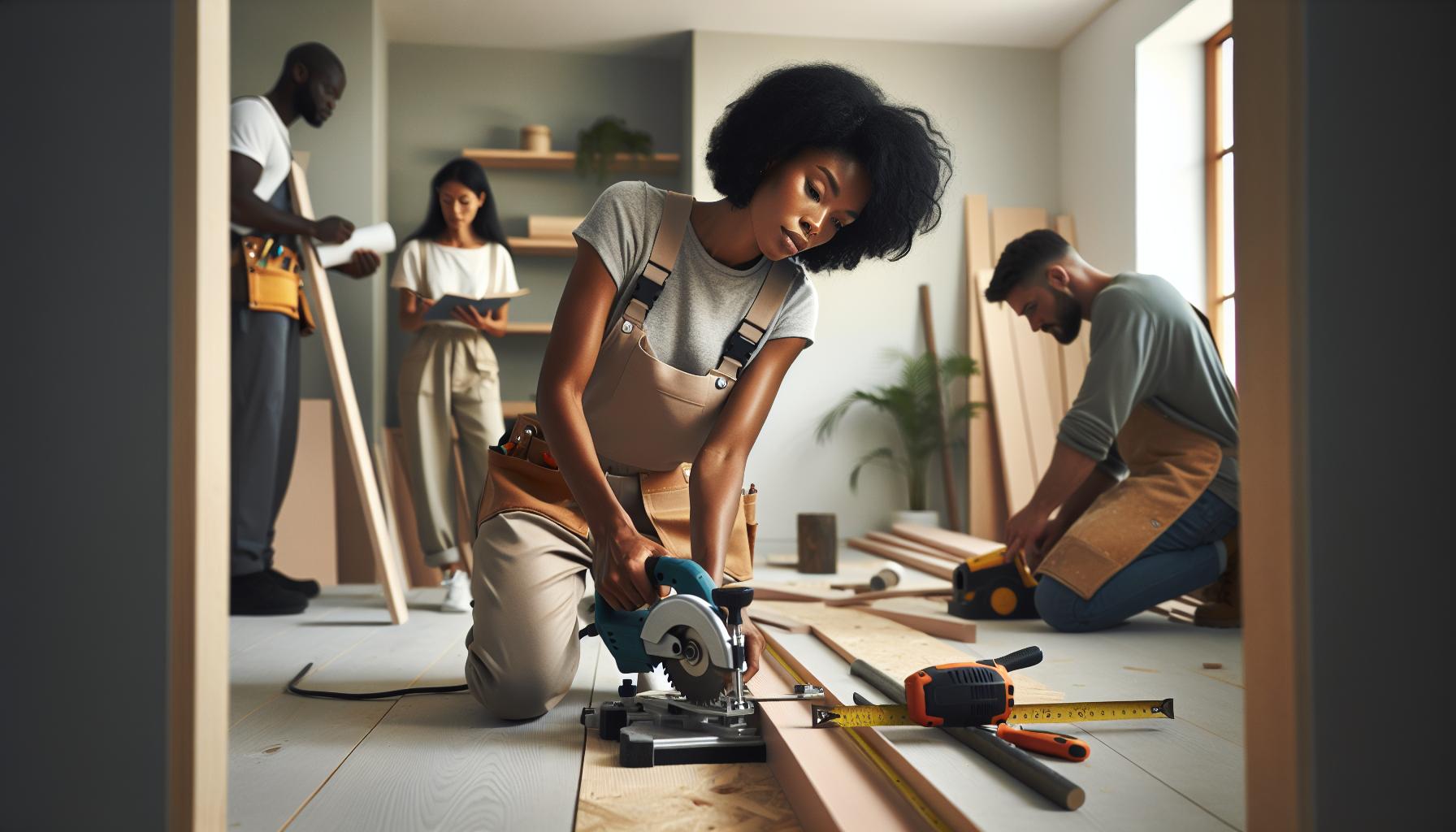
The Surprising Factory Process Behind Modular Homes
The construction of modular homes involves a fascinating and intricate factory process that sets it apart from traditional building methods. By utilizing assembly line techniques similar to those found in automobile manufacturing, modular factories can produce high-quality homes in significantly less time. On average, a modular home can be completed in as little as 10 to 12 weeks, thanks to this streamlined process. Each module is built in a controlled environment, ensuring that all elements are constructed under consistent conditions, minimizing the impact of weather-related delays that often plague traditional construction sites.
The journey of a modular home begins with careful planning and design. Using advanced software, architects and designers create digital blueprints that cater to individual preferences. Once the plans are finalized, the construction process kicks off. Raw materials like lumber, insulation, and roofing are transported to the factory, where skilled workers and state-of-the-art machinery come together to assemble the various modules. Each module typically includes the walls, floors, roof, and necessary wiring and plumbing, making them nearly complete before they leave the factory.
Factory Process Highlights
- Efficient Production: The use of assembly-line techniques allows for multiple modules to be constructed simultaneously, significantly reducing the overall build time.
- Quality Assurance: Rigorous quality control measures are in place throughout the manufacturing process, ensuring that each module meets strict industry standards.
- Custom Features: Homebuyers can personalize many aspects of their home during the factory construction, selecting finishes, layouts, and energy-efficient systems to create a space that truly reflects their lifestyle.
Once the modules are completed, they are carefully transported to the site. This movement is meticulously planned to ensure safety during transportation, as well as optimal placement on the foundation. After arriving on site, the modules are craned into position and secured to the foundation, allowing for a swift transition from factory to home. The efficiency of this process changes the narrative around home building, making modular living not only viable but an attractive option for many homebuyers looking for affordability without sacrificing quality.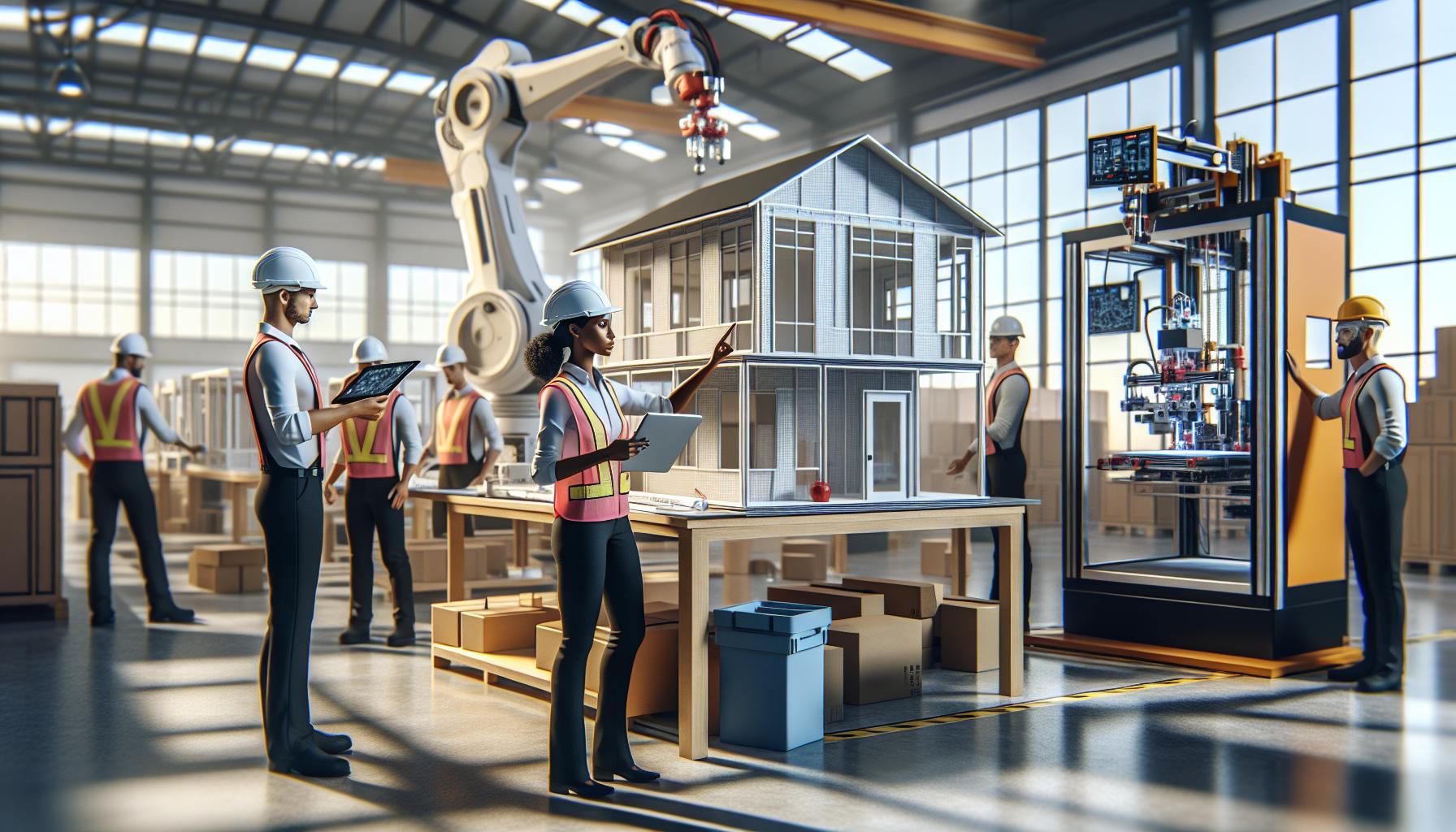
Innovative Techniques Used in Modular Home Assembly
The assembly of modular homes employs several innovative techniques that not only enhance efficiency but also improve the overall quality of the final product. One notable method is component pre-fabrication, where various sections of a home-such as walls, roofs, and floors-are manufactured separately in a controlled factory environment. This process allows for the integration of advanced building techniques and materials, which can lead to better energy efficiency and design flexibility. For instance, using prefabricated insulated wall panels rather than traditional framing can significantly reduce thermal bridging and improve insulation performance.
Factory automation plays a crucial role in the modular construction process. Utilizing cutting-edge machinery, such as robotic arms and automated cutting systems, enhances precision in construction and reduces human error. This automation allows for the rapid assembly of complex designs, which can include intricate layouts, custom finishes, and multi-level structures, all completed under consistent conditions away from the uncertainties of weather.
Another innovative technique is the synchronous building process, where various teams work simultaneously on different modules. For example, while one team constructs the framing of one module, another could be installing plumbing, electrical systems, or insulation in another module. This parallel approach not only speeds up the build time significantly but also synchronizes complex tasks and ensures that every part of the home can be built efficiently and with meticulous attention to detail.
Finally, the implementation of lean manufacturing principles can drastically reduce waste throughout the assembly process. By optimizing material usage and streamlining workflow, manufacturers can decrease costs and environmental impact, ultimately delivering a high-quality product at a competitive price. These techniques not only transform how homes are built but provide an inventive solution for future housing needs, making modular homes an appealing choice for many homebuyers seeking efficiency, affordability, and sustainability.
Key Logistics for Delivering Modular Homes
Delivering modular homes involves intricate logistics that ensure timely, safe, and efficient transportation from the factory to the final site. Unlike traditional homes, which are built entirely on location, modular homes are constructed in sections off-site and then transported in these pre-fabricated units. Understanding the complexities of this logistics process is essential for buyers and investors alike, as it directly impacts project timelines and costs.
The first step in the logistics of delivering modular homes is the careful planning of transportation routes. Specialized transport vehicles are required to move modular units, which can be quite large, often measuring up to 16 feet wide and longer than 70 feet. Transportation companies must consider factors such as road restrictions, height clearances, and weight limits to plan the most effective route. This planning often involves coordination with local authorities to secure necessary permits for oversized loads. As a result, modular home deliveries may need to be scheduled during off-peak hours to minimize traffic disruptions and enhance safety.
Once the route is planned, the actual loading and transport of the modular units take place. Using specialized cranes and equipment, units are loaded onto trucks for transportation. The loading process is crucial; any oversight can lead to damage, which is both costly and time-consuming. Therefore, it’s essential for manufacturers to work with experienced logistics partners who understand the intricacies of handling modular components.
Upon arrival at the building site, the logistics do not end. Efficient installation requires precise coordination among various contractors, including those responsible for site preparation, foundation installation, and utility connections. This stage often involves crucial steps such as leveling the modules, anchoring them securely, and ensuring that all utilities are connected while adhering to local building codes. Homebuyers should be aware that the time from delivery to full occupancy can vary based on site preparation and external conditions, thus preparation is key to a smooth transition into the new home.
In summary, the logistics of delivering modular homes encompasses route planning, loading, transport, and final installation, with each stage requiring careful attention to detail to ensure a successful outcome. By understanding these logistics, prospective modular home owners can navigate the complexities of the process with confidence, ensuring a seamless and stress-free experience as they step into their new homes.
Quality Control Measures in Modular Home Factories
Quality control in modular home factories is a critical aspect of producing homes that meet or exceed industry standards, ensuring long-lasting quality and safety for homeowners. With the modular construction process involving numerous specialized materials and techniques, maintaining high-quality specifications requires rigorous checks and balances at every step of production.
To start, modular home manufacturers employ a systematic approach to quality control that begins with the selection of materials. High-quality lumber, insulation, and other essential components are sourced from trusted suppliers. This initial step sets the foundation for the entire construction process. Once materials are delivered, they undergo inspections to confirm compliance with both manufacturer specifications and local building codes. This precursory review is essential to avoid complications later in the construction phase.
As the assembly of the home progresses, quality control measures are integrated into each stage of construction. Skilled workers conduct regular inspections, ensuring that all structural elements are correctly placed and securely installed. For instance, framing is monitored for proper alignment and squareness, plumbing is checked for leaks, and electrical systems are tested for safety and functionality. These checks are typically documented, creating a traceable record of inspections that enhances accountability.
Final Inspections and Certification
Before a modular home can be shipped to the site, a final inspection is conducted, often in accordance with national and local regulations. This comprehensive review ensures that the home meets all applicable safety and construction standards. Homes are frequently certified by third-party inspectors or organizations like the Manufactured Housing Institute (MHI), providing an added layer of assurance to future homeowners about the quality and durability of their new home.
Moreover, many manufacturers are adopting advanced technologies such as Building Information Modeling (BIM) and automated quality control systems to enhance precision and efficiency. These tools can identify potential issues earlier in the construction process, which not only streamlines production but also minimizes waste and rework, ultimately reducing costs for the homebuyer.
In conclusion, the commitment to quality control in modular home factories is a multifaceted process that ensures each home delivered to the consumer is built to last. By combining stringent material sourcing with ongoing inspections and modern technologies, manufacturers strive to deliver homes that are not only aesthetically pleasing but also structurally sound and able to meet the diverse needs of modern homeowners.
Sustainable Practices in Modular Home Construction
In an era where sustainability is more than just a buzzword, modular home construction stands out for its environmentally friendly practices. Unlike traditional home building, which can lead to significant waste and longer construction times, modular construction streamlines processes to minimize environmental impact. By efficiently manufacturing sections of homes in a factory setting, waste is dramatically reduced, creating an eco-friendly alternative that resonates with today’s conscientious buyers.
One of the primary sustainable practices in modular construction is the use of advanced building materials that are ethically sourced and energy-efficient. Manufacturers often utilize high-quality lumber and insulation materials that not only meet stringent building codes but also provide superior thermal performance. This leads to homes that are not only well-built but also require less energy for heating and cooling, contributing to lower utility bills and a reduced carbon footprint over the home’s lifespan.
Another notable element is the reduction of on-site construction waste. In traditional construction, excess materials often end up in landfills, whereas modular factories optimize the use of materials and can recycle scraps on-site. This controlled environment allows for better management of resources, further lessening the overall environmental impact. Manufacturers are increasingly integrating green building practices, such as utilizing solar energy in production facilities and encouraging the use of low-VOC paints and finishes, improving indoor air quality for residents while also adhering to eco-friendly standards.
Moreover, the rapid assembly of modular homes also means that time spent on-site is minimized, leading to less disruption to the surrounding environment. This is particularly beneficial in developing areas or locations where preserving natural landscapes is a priority. With many companies leading the charge in eco-conscious construction, it’s clear that choosing modular not only aligns with sustainable values but also offers prospective homeowners a viable solution to living in harmony with nature.
As a potential homebuyer, understanding these sustainable practices can help clarify the long-term benefits of modular housing while ensuring you make an informed decision that aligns with your values and lifestyle goals. The future of homebuilding is undeniably green, and modular homes exemplify how innovation can lead to meaningful change in our communities.
How Modular Homes Are Customized at the Factory
In the realm of modular home construction, customization begins long before the first module leaves the factory floor. Each home is an expression of its owner’s preferences, requirements, and lifestyle, which are meticulously integrated into the manufacturing process. This tailored approach not only allows for a unique home but also brings flexibility and efficiency that traditional brick-and-mortar constructions may lack.
One of the key advantages of factory construction is the ability to collaborate closely with buyers. Many manufacturers offer a range of customizable options that can be tailored to fit specific needs. This may include different floor plans, layouts, and room configurations. Buyers can choose everything from the exterior aesthetics, such as siding materials and colors, to interior finishes like flooring, cabinetry, and countertops. This level of personalization is often facilitated through design software that allows clients to visualize their choices in real-time, making decision-making more interactive and fulfilling.
Advanced Building Technology
The cutting-edge technology used in modular factories enhances customization options. Robotics and automated systems execute precise cuts and installations, which not only speeds up the production process but also ensures high-quality construction. Additionally, many modular home manufacturers incorporate smart home technology during the build, enabling features such as energy-efficient systems and integrated home automation. This means that buyers can opt for smart thermostats, security systems, and energy-efficient appliances that are set up as the home is manufactured, resulting in a seamless integration of modern solutions.
Flexibility During Construction
Another significant aspect of customization in modular homes is the flexibility it affords during the construction phase. As modules are built in a controlled factory environment, last-minute changes can often be accommodated without the usual delays associated with traditional construction. For instance, if a buyer decides they want an open-concept design or additional windows for natural light, adjustments can be made with relative ease before the modules are shipped to the site for assembly. This adaptability not only provides a personal touch but also mitigates the stress that often accompanies home-building projects.
Through this tailored approach, modular homes cater to a diverse range of tastes and functional requirements. Whether it’s an expansive family layout, a cozy retreat, or a modern abode equipped with the latest technology, the customization process at the factory enables buyers to realize their dream home with unprecedented efficiency and style. This makes modular living not just a viable option, but a genuinely attractive choice for today’s discerning homeowners.
Common Myths About Modular Home Construction
Misunderstandings about modular homes persist, often rooted in misconceptions that overshadow their potential as a viable housing option. A common myth is that modular homes are essentially the same as mobile homes or trailers. In reality, while they are all prefabricated structures, modular homes are built to the same building codes as traditionally constructed homes. They are permanent structures that can appreciate in value just like a conventional residence, allowing homeowners to invest confidently in their properties.
Another prevalent myth is that modular homes lack durability and safety. This misconception may arise from the perception that factory-building processes compromise quality. However, modular homes are subjected to rigorous quality control inspections throughout their production, ensuring that they meet or exceed industry standards. Many manufacturers use advanced technology during the construction process, which allows for precise execution and enhanced structural integrity. This level of oversight often results in a build quality that rivals traditional homes.
Some believe that modular homes are limited in design and aesthetics. In truth, they offer remarkable customization options. Homeowners can choose from a wide array of floor plans, materials, and finishes, making it easy to create a personalized space that reflects their style. With the use of sophisticated design software, potential owners can visualize their selected modifications before construction begins, further enhancing their engagement in the building process.
Cost comparisons also come under scrutiny, as some assume that modular homes are inherently cheaper and therefore lower in quality. While they can be more affordable than traditional homes due to the efficiencies of the factory construction process, this does not mean they skimp on quality or aesthetic appeal. Instead, buyers often enjoy significant savings in both construction time and costs, allowing for more budget to allocate toward customization and upgrades. Ultimately, understanding these common myths can empower prospective homeowners to make informed decisions based on the facts surrounding modular home construction.
By dispelling these misconceptions, individuals can better appreciate the benefits of modular homes, including affordability, energy efficiency, and the possibility of a custom-designed living space. With the right information, anyone can navigate the modular housing market with confidence, recognizing it as a legitimate and exciting option for homeownership.
Cost Comparison: Modular Homes vs. Traditional Homes
The financial landscape navigating the choice between modular homes and traditional homes is intriguing, often revealing substantial differences in initial costs, long-term value, and construction timeframes. On average, the price of modular homes ranges from $80 to $160 per square foot, while the cost for traditional homes often lies between $100 and $200 per square foot[2[2]. This emphasis on structural integrity not only helps keep insurance costs in check but also bolsters resale values, enabling homeowners to invest in a property that can appreciate over time. Furthermore, many modular homes offer customization options, allowing homeowners to invest in enhancements that will suit their lifestyles while potentially increasing property value.
In summation, the cost comparison between modular and traditional homes outlines appealing advantages for prospective buyers. With lower starting costs, quicker completion times, and comparable long-term value, modular homes emerge as a practical and financially sound choice for many looking to enter the housing market, illustrating that modern living can be both efficient and affordable.
Navigating Regulations for Modular Home Installation
Navigating the landscape of modular home installation regulations can feel daunting, yet understanding the key components can simplify the process significantly. Each locality has its own set of building codes and zoning laws that govern where and how you can place a modular home. Familiarizing yourself with these regulations before making any commitments is crucial, as they can greatly influence your installation timeline and overall costs.
First and foremost, it’s essential to consult your local housing authority or planning department. They can provide detailed information on zoning restrictions that may dictate the type of structure allowed in a specific area, as well as the required permits for both the installation of the modular home and any foundation work. These regulations can vary significantly; for instance, some areas may have restrictions on the minimum square footage or design criteria that a modular home must meet. Understanding these stipulations in advance can save you from potential delays and additional expenses.
Another important aspect is ensuring compliance with state and local building codes. Modular homes must adhere to the same codes as traditional site-built homes, meaning they must pass inspections for safety, electrical systems, plumbing, and more. An advantage of modular homes is that the factory construction process often includes initial inspections, but additional local inspections will typically be required once the home arrives on site. Working closely with your modular builder can help streamline this process, as they will often have experience navigating the various regulatory requirements and can guide you through the necessary steps.
Lastly, don’t overlook the importance of understanding utility connections and land use permits. Properly linking utilities such as water, electricity, and sewage may require coordination with local utility providers, which can involve additional permitting processes. By planning these aspects early, you can ensure a smoother transition from construction to habitation, ultimately reducing downtime and enhancing your overall satisfaction with your new home.
In summary, thorough preparation and proactive engagement with local authorities and your modular home builder can lead to a successful and compliant installation process. Taking the time to understand the regulations that govern modular home placement will empower you to make informed decisions and pave the way for a seamless transition into your new modular living space.
The Future of Modular Homes: Trends and Innovations
The modular home industry is not only growing rapidly; it is on the brink of a true transformation driven by innovative trends and technologies. As society increasingly values efficiency, sustainability, and customization, modular homes are stepping up to meet these demands. With the advancement of materials, production techniques, and technology, the future of modular homes looks promising and more attractive to a broad range of homeowners.
One significant trend is the emphasis on sustainability. Modular manufacturers are increasingly adopting eco-friendly materials and practices, striving to reduce waste during the construction process. For example, many are utilizing recycled materials and energy-efficient appliances within their designs. This shift towards green building not only aligns with consumer demand for sustainable living spaces but also contributes to lower operational costs over the home’s lifespan. Additionally, manufacturers are exploring energy-efficient designs and systems, such as solar panels and advanced insulation, to enhance the home’s overall energy performance.
Customization is another critical area reshaping the modular home market. Future modular homes are designed to be more adaptable, allowing buyers to personalize layouts and features without extensive delays or excessive costs. Advanced design software enables potential homeowners to visualize and modify floor plans in real-time, ensuring that the final build perfectly suits their preferences. This level of customization previously unheard of in traditional construction is becoming a standard offering in modular homes, appealing to a more discerning consumer base.
Furthermore, technological innovations such as smart home integration are expanding the appeal of modular homes. Homebuyers are looking for modern conveniences that enhance the living experience, and modular homes are responding with options for smart thermostats, security systems, and energy management tools embedded from the start. As connectivity becomes essential, the flexibility of modular construction makes it easier to incorporate these technologies without compromising quality or design.
Real-world examples of these trends can be seen in successful modular home projects across the globe, which boast shorter construction timelines and increased homeowner satisfaction. For instance, recent developments have demonstrated that modular homes can be built in a fraction of the time compared to traditional construction while maintaining high quality and aesthetic appeal. This promises not only faster turnarounds for buyers but also a more efficient response to housing shortages in various markets.
As the modular home industry continues to evolve, embracing these trends and innovations will enable it to meet modern consumer needs while maintaining the ethos of affordable housing. Whether through greater sustainability, enhanced customization, or smarter technologies, the modular homes of the future promise to deliver an appealing blend of comfort, efficiency, and style. Investing in a modular home not only represents a practical housing solution but also positions buyers at the forefront of a significant movement in the housing industry.
Tips for Homebuyers Considering Modular Homes
Purchasing a modular home presents an exciting opportunity for homeowners looking for quality, affordability, and customization. As modular construction methods gain popularity, prospective buyers should equip themselves with clear, actionable insights to navigate this unique housing market confidently. Understanding what to expect can profoundly impact your buying experience and lead to a more satisfactory investment.
When considering a modular home, it’s essential to start with a comprehensive research approach. Visit multiple manufacturers and view their models in person. This allows you to assess build quality, explore various layout options, and understand material choices firsthand. Ask about customization options as many builders offer flexibility in design, allowing you to choose finishes, layouts, and additional features that fit your lifestyle. Remember, modular homes are built in a controlled environment, which often results in superior craftsmanship compared to traditional homes.
Financing and Insurance Considerations
Navigating financing for a modular home can differ from traditional housing. It’s critical to work with lenders experienced in modular home financing, as standard mortgages may not apply. Gather information about the construction type: will your home be on a permanent foundation or remain mobile? Many lenders require specific criteria for loans based on this classification. Additionally, research insurance options that cater specifically to modular and manufactured homes, as they often have unique requirements regarding coverage.
Understanding Site Setup
Proper installation of your modular home is integral to its long-term success. For a safe and durable setup, understand site preparation requirements, including ground leveling, utility connections, and anchoring systems. Before your home arrives, ensure the site is prepared, complete with cleared land and accounted for drainage systems. Once your home is set, follow important guidelines for leveling and securing the property, as this will help mitigate potential issues with settling over time. Familiarity with local regulations regarding installation can prevent unexpected setbacks during this critical phase.
Community and Regulatory Considerations
Lastly, familiarize yourself with regulations related to modular homes in your area. This includes zoning laws and any community-specific restrictions. Many neighborhoods have homeowners’ associations (HOAs) with rules that may affect aesthetic guidelines. Doing your homework can prevent future problems and ensure your new home fits seamlessly into its surroundings.
Armed with detailed knowledge and solid preparation, your journey towards owning a modular home can be incredibly rewarding. Embrace the flexibility, efficiency, and customization that modular living offers, and make a choice that aligns with your lifestyle and future aspirations.
Frequently Asked Questions
Q: How are modular homes constructed differently from traditional homes?
A: Modular homes are constructed in sections, or modules, in a factory setting, allowing for faster assembly and lower labor costs than traditional homes, which are built on-site piece by piece. This factory method ensures quality control and minimizes weather delays.
Q: What unique techniques do manufacturers use in modular home assembly?
A: Manufacturers use advanced robotics and precision machinery to assemble modular homes, which enhances accuracy and efficiency. These innovative techniques ensure that components fit together seamlessly during assembly at the building site.
Q: Are there specific quality control measures in place during modular home construction?
A: Yes, quality control measures include thorough inspections at various stages of construction, ensuring compliance with building codes and standards. Regular checks help identify any defects early, significantly enhancing the overall quality of the finished home.
Q: What are the logistics involved in delivering modular homes?
A: The logistics of delivering modular homes involve transporting the pre-constructed modules to the building site using specialized trucks. They are carefully loaded and secured for transit, and a crane is typically used for placement on the foundation.
Q: How does the customization process work for modular homes in the factory?
A: Customization starts in the design phase, allowing homeowners to choose layouts, materials, and finishes. Once selected, these custom specifications are implemented during the factory construction process, ensuring that each home meets the buyer’s unique preferences.
Q: What sustainable practices are commonly adopted in modular home construction?
A: Modular home manufacturers often employ sustainable practices such as using eco-friendly materials and energy-efficient systems. Waste from the manufacturing process is minimized, and many factories implement recycling programs to further reduce environmental impact.
Q: Can modular homes be expanded or modified after construction?
A: Yes, modular homes can be expanded or modified. Most designs accommodate future additions, such as extra modules or new rooms, providing flexibility to meet changing needs without extensive renovations.
Q: What are some misconceptions about modular homes?
A: Some common misconceptions include that modular homes are of lower quality or lack style. In reality, modular homes meet the same building codes as traditional homes and can be highly customized, offering both aesthetic appeal and durability.
Final Thoughts
Now that you’ve uncovered the surprising factory secrets of modular home construction, you have a deeper understanding of how these efficient housing solutions come to life. If you’re considering a modular home, remember-this choice offers sustainability, cost-effectiveness, and quicker construction times compared to traditional homes. Don’t hesitate any longer! Explore our next articles on financing options and maintenance tips to maximize your investment.
For more insights, check out our resources on [creative marketing techniques for modular homes](https://www.realspace3d.com/blog/building-interest-creative-marketing-techniques-for-modular-homes/) and learn how to enhance your SEO with our guide specifically for builders [[2]]. Join our newsletter for the latest updates and expert tips that empower your modular home journey. Your ideal lifestyle awaits-take the next step today!